
Alfred Piano Book 1 PDF: A Comprehensive Guide
Alfred’s Basic Adult Piano Course, Level 1, is a widely-used resource for beginners, and accessing it as a PDF offers convenience and portability for aspiring musicians.

What is Alfred’s Basic Adult Piano Course, Level 1?
Alfred’s Basic Adult Piano Course, Level 1, represents a cornerstone in adult piano education, designed specifically for individuals beginning their musical journey later in life. This method book distinguishes itself through a gradual and comprehensive approach, prioritizing foundational skills and musical understanding. Unlike methods geared towards children, Level 1 acknowledges the cognitive abilities and learning styles of adults.
The course systematically introduces music notation, rhythm, and basic piano technique. It emphasizes a balanced curriculum, incorporating both classical and popular repertoire to maintain engagement. The content is structured to build confidence progressively, starting with simple exercises and gradually introducing more complex pieces. It’s a popular choice due to its clear explanations and well-paced lessons, making it accessible to self-learners and students with instructors alike. The PDF format enhances accessibility, allowing learners to practice anywhere, anytime.
The Importance of a PDF Version
A PDF version of Alfred Piano Book 1 offers significant advantages over the physical copy, primarily revolving around accessibility and convenience. Digital format eliminates the need to carry a heavy book, making practice sessions portable and adaptable to any location. Furthermore, PDFs facilitate easy searching for specific exercises or musical pieces, saving valuable practice time.

The ability to zoom in on musical notation is particularly beneficial for beginners struggling with reading music. Digital annotation tools allow for personalized learning, enabling students to mark fingerings, dynamics, or challenging sections directly within the PDF. Backups are simplified, protecting against loss or damage. Cost-effectiveness can also be a factor, as digital versions are sometimes more affordable than physical books, broadening access to quality piano education.
Where to Find a Legitimate Alfred Piano Book 1 PDF
Locating a legitimate Alfred Piano Book 1 PDF requires careful navigation. The official Alfred Music website is the most reliable source, often offering the PDF for purchase or as part of a digital bundle. Major online music retailers, such as Musicnotes.com or Sheet Music Plus, frequently stock authorized digital versions. Educational institutions sometimes provide access to students through licensed digital libraries or learning platforms.
Beware of websites offering “free” downloads, as these often contain pirated copies or malware. Always verify the source’s credibility before downloading. Checking for a secure connection (HTTPS) and reading user reviews can offer clues. Purchasing from authorized vendors ensures you receive a high-quality, legally obtained PDF, supporting the creators and guaranteeing a safe download experience.
Risks of Downloading from Unofficial Sources
Downloading an Alfred Piano Book 1 PDF from unofficial sources presents significant risks. These websites frequently harbor malware, viruses, and spyware, potentially compromising your device and personal information. Pirated PDFs often lack proper formatting, resulting in illegible sheet music and a frustrating learning experience. Furthermore, downloading copyrighted material illegally is a violation of the law, carrying potential legal consequences.
Unofficial sources may also offer incomplete or altered versions of the book, missing crucial exercises or instructions. Supporting these sites undermines the creators and publishers of the legitimate product. Prioritize your digital security and respect copyright laws by obtaining the PDF only from authorized retailers like Alfred Music or reputable online music stores. A small investment in a legitimate copy safeguards your device and ensures a quality learning resource.
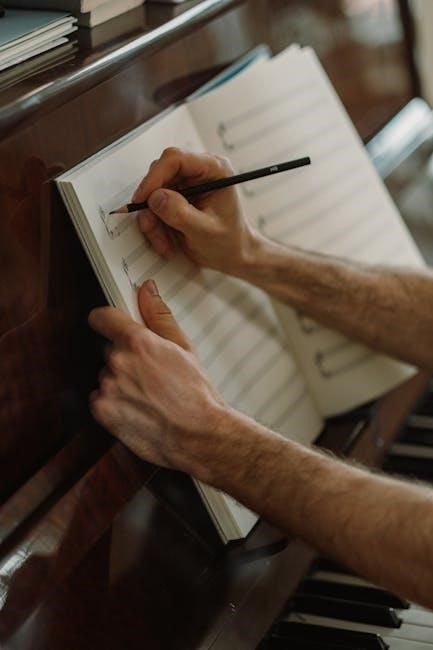
Understanding the Content of Alfred Piano Book 1
Alfred Piano Book 1 systematically introduces fundamental musical concepts, building a solid foundation for beginners through progressive lessons and engaging musical pieces.
Key Concepts Introduced in Level 1
Alfred’s Basic Adult Piano Course, Level 1 gently introduces core musical principles essential for any aspiring pianist. Students begin with understanding the grand staff, learning to identify treble and bass clef notes, and grasping basic rhythmic values – whole, half, quarter, and eighth notes.
The course emphasizes note reading in both clefs, initially focusing on a limited range of notes to avoid overwhelming beginners. It also establishes proper hand position and posture, crucial for developing good technique from the start.
Furthermore, Level 1 lays the groundwork for understanding key signatures, starting with C major (no sharps or flats), and introduces time signatures, primarily 4/4 time. Students are also exposed to dynamics – piano (soft) and forte (loud) – and basic musical terms like legato and staccato, fostering musical expression. The gradual progression ensures a comfortable learning curve, building confidence with each new concept.
Music Notation Basics Covered
Alfred Piano Book 1 meticulously covers fundamental music notation, forming the bedrock of a pianist’s understanding. The course begins with a detailed exploration of the staff, clefs (treble and bass), and how notes are positioned to represent pitch. Students learn to accurately read and interpret note values – whole, half, quarter, eighth, and dotted notes – and their corresponding rests.
Emphasis is placed on understanding time signatures, specifically 4/4, and how they dictate the rhythmic structure of a piece. Bar lines, measures, and the concept of beat are thoroughly explained.
Additionally, the book introduces dynamic markings (p, f), articulation symbols (legato, staccato), and basic accidentals (sharps, flats, naturals). Students also learn about repeat signs and first/second endings, enabling them to navigate musical form. This comprehensive approach ensures a solid foundation in reading and interpreting musical scores.
Finger Exercises and Technique Development
Alfred Piano Book 1 prioritizes establishing correct hand position and fundamental piano technique from the outset. The course incorporates a series of carefully designed finger exercises, focusing on developing strength, dexterity, and independence in each finger. These exercises often utilize five-finger patterns and scales in C major, gradually introducing new keys as proficiency increases.
Students are guided through proper posture, wrist flexibility, and arm weight application to avoid tension and promote efficient playing. Emphasis is placed on curved finger shapes and a relaxed hand position.
The book also introduces basic pedaling techniques, though limited at this stage, and encourages students to practice slowly and deliberately, focusing on accuracy and evenness of tone. Consistent practice of these exercises builds a solid technical foundation for future musical endeavors.
Simple Songs and Pieces Included
Alfred Piano Book 1 doesn’t just focus on drills; it immediately engages learners with a selection of simplified, well-known songs and original compositions. These pieces are carefully chosen to reinforce the concepts learned in each lesson, such as note reading, rhythm, and finger placement. Expect arrangements of familiar melodies like “Hot Cross Buns” and folk tunes, alongside original pieces designed for beginner hands.
The arrangements are intentionally straightforward, utilizing limited note ranges and simple rhythms. This allows students to experience the joy of playing music early on, building confidence and motivation.
The book progressively introduces more complex pieces, gradually expanding the musical challenges and encouraging students to apply their developing skills in a musical context. These songs are a cornerstone of the learning process.

Using the Alfred Piano Book 1 PDF Effectively
Digital access to the Alfred Piano Book 1 PDF unlocks a flexible learning experience, offering convenience and portability for practice anytime, anywhere.
Navigating the PDF Format
Successfully utilizing the Alfred Piano Book 1 PDF requires understanding its features. Most PDF readers, like Adobe Acrobat Reader, offer a table of contents for quick access to chapters and sections. Utilize the search function to locate specific musical terms, exercises, or songs within the document.
Zooming capabilities are crucial for comfortable viewing, especially on smaller screens. Hyperlinks, if present, will allow direct navigation to external resources or audio examples. Familiarize yourself with the bookmarking feature to save frequently accessed pages for rapid return during practice sessions.
The PDF’s layout mirrors the physical book, but digital versions may offer interactive elements. Experiment with the page display options – single page, continuous scrolling, or two-page view – to find what suits your learning style best. Efficient navigation enhances the learning process, making practice more focused and productive.
Utilizing Digital Tools for Learning
The Alfred Piano Book 1 PDF becomes even more powerful when combined with digital learning tools. Metronome apps are invaluable for developing accurate timing and rhythm, essential skills introduced in Level 1. Consider using music notation software, even free versions, to visualize and manipulate musical concepts presented in the book.
Online piano learning platforms often complement Alfred’s curriculum, offering interactive exercises and personalized feedback. Record yourself playing and use audio analysis tools to identify areas for improvement. Digital tuners ensure your piano is in tune, crucial for ear training.
Explore apps that offer sheet music playback, allowing you to hear correct interpretations of the pieces. Leverage online forums and communities to connect with other learners and share progress. These tools amplify the learning experience, fostering a more engaging and effective practice routine.
Printing Specific Sections for Practice
While the Alfred Piano Book 1 PDF offers convenience, sometimes a physical copy of specific sections is preferable for focused practice. Printing allows for annotation without altering the digital file – marking fingerings, dynamics, or challenging passages directly on the sheet music. This tactile approach can enhance memorization and understanding.
Select only the pieces or exercises you’re currently working on to avoid overwhelming yourself with printed material. Consider printing in grayscale to save ink, as musical notation doesn’t require color. Use a high-quality printer setting for clear readability.
Binding the printed pages into a small booklet can mimic the feel of a traditional music book, improving the practice experience. Regularly update your printed selections as you progress through the course, ensuring you always have the most relevant material at hand.
Annotating the PDF for Personalized Learning
One of the significant advantages of using an Alfred Piano Book 1 PDF is the ability to annotate directly within the document. Utilize PDF editing software to mark fingerings, add reminders about dynamics, or highlight tricky rhythms. These personalized notes transform the PDF into a customized learning tool tailored to your specific needs and challenges.
Experiment with different annotation tools – highlighting, text boxes, and drawing features – to find what works best for you. Color-coding can be particularly effective for visually distinguishing different elements of the music. Regularly review your annotations to reinforce your understanding and track your progress.
Remember to save your annotated PDF frequently to avoid losing your work. This creates a valuable, evolving resource that reflects your individual learning journey.

Supplementary Resources for Alfred Piano Book 1
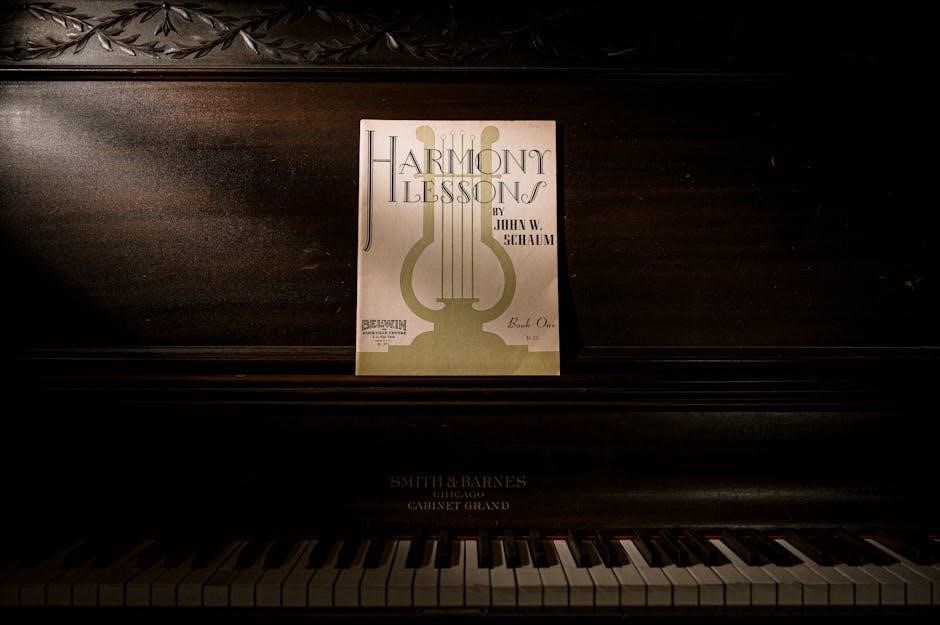
Enhance your learning with online video tutorials, Alfred’s companion website, and diverse sheet music options for expanded practice beyond the core PDF content.
Online Video Tutorials and Lessons
Numerous online platforms offer video tutorials specifically designed to complement Alfred Piano Book 1. YouTube is a treasure trove, featuring channels dedicated to piano instruction, often breaking down concepts from the book into digestible segments. These videos can visually demonstrate proper hand positioning, fingering techniques, and rhythmic patterns, enhancing understanding beyond simply reading the notation.
Furthermore, websites like Flowkey and Skoove provide interactive lessons that sync with the Alfred curriculum, offering real-time feedback on your playing. These platforms often include song arrangements that build upon the pieces introduced in Level 1, fostering continued progress. Consider exploring options that cater to different learning styles – some prefer a structured course, while others benefit from individual lesson focuses. Supplementing your PDF study with these visual and interactive resources can significantly accelerate your piano learning journey and solidify your grasp of fundamental concepts.

Alfred’s Website and Companion Materials
Alfred Music’s official website serves as a central hub for resources related to Alfred Piano Book 1. You’ll find supplementary materials like downloadable audio tracks for all the pieces in the book, allowing you to hear correct tempos and phrasing. These audio files are invaluable for ear training and developing a sense of musicality.
Beyond the audio, Alfred often provides printable sheet music of additional exercises and songs that reinforce the concepts taught in Level 1. Exploring their catalog may reveal companion books focusing on specific skills, such as technique or sight-reading, designed to work alongside the core curriculum. Checking for updates and new resources on the website is beneficial, as Alfred frequently adds content to support its publications. Utilizing these official materials ensures alignment with the book’s pedagogical approach and maximizes your learning potential;

Sheet Music Websites for Additional Practice
Expanding your repertoire beyond Alfred Piano Book 1 is crucial for progress. Websites like Musicnotes.com and SheetMusicPlus.com offer a vast selection of beginner-friendly sheet music, often available for instant digital download. Search for pieces categorized by level or genre to find songs that complement the skills you’re learning.
IMSLP (International Music Score Library Project) provides free, public domain sheet music, though the selection for absolute beginners might be limited. Consider exploring simplified arrangements of popular songs – these can make practice more engaging. Remember to choose pieces slightly challenging but achievable, fostering a sense of accomplishment. Regularly incorporating new music builds sight-reading skills and broadens your musical understanding, supplementing the foundational lessons in Alfred’s course. Always ensure the sheet music is clearly legible and accurately transcribed.

Troubleshooting Common Issues
Encountering problems with your Alfred Piano Book 1 PDF is common; solutions range from updating your PDF reader to verifying file integrity and compatibility.
PDF Not Opening or Displaying Correctly
If your Alfred Piano Book 1 PDF refuses to open, or displays garbled characters, several troubleshooting steps can be taken. First, ensure you have the latest version of Adobe Acrobat Reader, or another compatible PDF viewer, installed on your device. An outdated reader can often cause compatibility issues with newer PDF formats.
Next, try downloading the PDF file again from the source. A corrupted download can lead to display errors. Clear your browser’s cache and cookies before re-downloading, as temporary files can sometimes interfere with the process. If the problem persists, attempt opening the PDF on a different device – a computer, tablet, or smartphone – to isolate whether the issue lies with the file itself or your specific system configuration.
Finally, check your system’s resources. A low memory or processing power can sometimes hinder PDF rendering. Closing unnecessary applications can free up resources and allow the PDF to display correctly. If none of these steps resolve the issue, the PDF file may be genuinely damaged and require a fresh download or a different source.
Audio Files Not Playing
Encountering issues with audio files within your Alfred Piano Book 1 PDF is a common frustration. Initially, verify your device’s volume is turned up and not muted. Ensure your speakers or headphones are properly connected and functioning correctly. Next, confirm that your PDF viewer supports embedded multimedia content; some basic viewers may lack this capability.
Update your Adobe Acrobat Reader (or alternative) to the latest version, as updates often include bug fixes and improved multimedia support. Check your system’s audio settings to ensure the correct output device is selected. Sometimes, the default audio device isn’t the one you intend to use. If the audio still won’t play, try downloading the audio files separately (if available) and playing them with a dedicated media player.
Finally, a corrupted PDF file can also cause audio playback problems. Re-downloading the PDF from a legitimate source might resolve the issue. If problems persist, consider seeking assistance from online forums dedicated to piano learning or Alfred’s support resources.
Difficulty with Digital Sheet Music Reading
Transitioning to digital sheet music from traditional printed scores can present challenges. Many beginners find reading music on a screen less intuitive than on paper. Adjust your screen brightness and contrast for optimal visibility, minimizing eye strain. Zooming in on the PDF can make notes and symbols clearer, especially on smaller devices.
Practice consistently with the digital format to build familiarity. Utilize PDF viewers with features like page turning and bookmarking to navigate efficiently. Consider using a tablet with a stylus for annotating directly on the screen, mimicking the experience of marking a physical score.
If you struggle with tracking your place, experiment with different viewing modes or use a digital metronome to maintain rhythm. Remember that digital sheet music offers advantages like portability and searchability, so persevere and adapt your reading skills to this convenient format.
Finding Answers to Frequently Asked Questions
Numerous online resources address common questions about the Alfred Piano Book 1 PDF. Piano learning forums and communities, like those on Reddit (r/piano) or dedicated music education websites, often feature threads discussing specific challenges and solutions. YouTube tutorials frequently tackle frequently asked questions regarding techniques and pieces within the book.
Alfred Music’s official website provides a FAQ section and support contact information. Searching online using specific keywords – “Alfred Piano Book 1 PDF help,” “difficult passages Level 1,” or “audio accompaniment issues” – will yield relevant results.
Don’t hesitate to reach out to your piano teacher if you have one; they can provide personalized guidance. Remember to clearly articulate your question when seeking help online to receive the most accurate and useful responses.