
Explosive Workout Program PDF: A Comprehensive Guide
Discover a detailed guide to explosive workout programs, often found in PDF format, designed to enhance athletic performance through intense, powerful movements and structured 10-week training․
What is an Explosive Workout Program?
Explosive workout programs are specifically designed to develop the ability to exert maximum force in short intervals of time․ Unlike traditional strength training focused on slow, controlled movements, these programs prioritize speed and power․ They often incorporate plyometrics, ballistic exercises, and Olympic weightlifting variations․
These programs aim to improve your rate of force development (RFD), which is crucial for athletic activities like jumping, sprinting, and throwing․ A PDF guide will typically outline a structured plan, often spanning several weeks, with progressively challenging exercises․ The goal isn’t just to lift heavy, but to move weight – or your bodyweight – with incredible velocity․ Reviewing such a program will show a focus on squats and machine exercises․
Benefits of Explosive Training
Engaging in explosive training, often detailed within a comprehensive PDF program, yields numerous benefits extending beyond pure athletic performance․ It significantly enhances power output, crucial for activities demanding rapid force exertion, like skateboarding ollies and vertical jumps․
Beyond sport, explosive training boosts aerobic capacity and contributes to full-body muscle development, particularly when utilizing tools like kettlebells․ It improves neuromuscular efficiency, meaning your brain and muscles communicate more effectively, leading to faster reaction times and improved coordination․
Furthermore, these programs can increase bone density and strengthen connective tissues, reducing the risk of injury; A well-designed PDF will emphasize the importance of proper form and progressive overload to maximize these benefits safely․
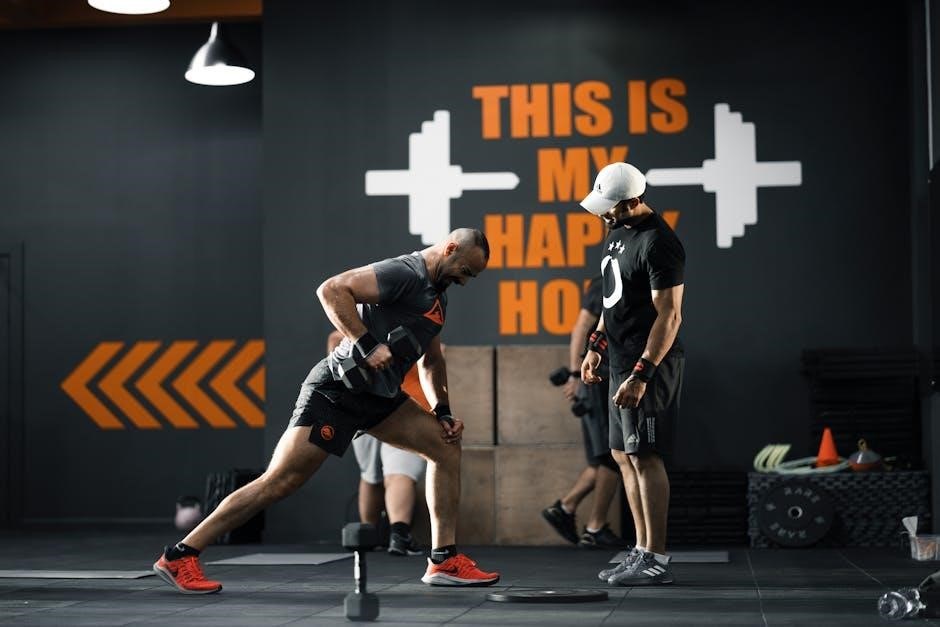
Key Principles of Explosive Workout Programs
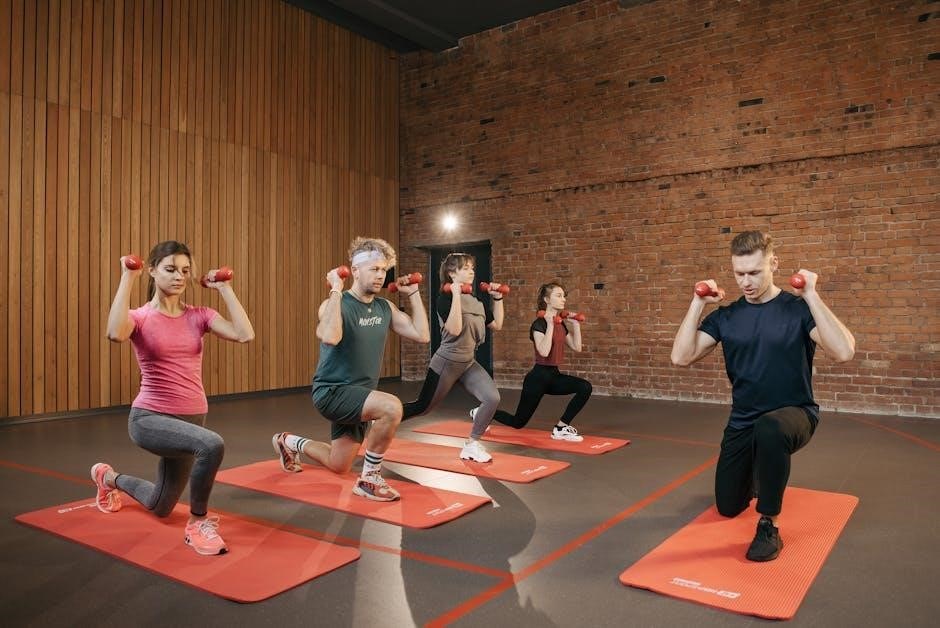
Effective explosive workout programs, often delivered as a PDF guide, are built upon several core principles․ Central to these is the concept of rate of force development – how quickly you can generate power․ Training protocols focus on maximizing this, often through plyometrics and ballistic movements․
Progressive overload is crucial; gradually increasing the intensity or volume of training over time․ Specificity dictates that exercises should mimic the demands of your sport or activity․ A good PDF program will detail this․
Proper technique is paramount to prevent injury and ensure optimal results․ Adequate rest and recovery are equally important, allowing muscles to repair and adapt․ Finally, a well-rounded program incorporates a thorough warm-up and cool-down, as well as nutritional guidance․
Understanding Plyometrics
Plyometrics, a cornerstone of many explosive workout programs – frequently detailed in PDF guides – are exercises that utilize the stretch-shortening cycle․ This involves a rapid eccentric contraction (muscle lengthening) immediately followed by a concentric contraction (muscle shortening)․ Think of it as pre-loading the muscle like a spring․
Examples include jump squats and box jumps, designed to enhance power and reactivity․ A quality PDF resource will explain the physiological basis of this cycle, emphasizing how it improves muscle power output․
Proper form is vital; landing mechanics are crucial to minimize injury risk․ Progressive implementation is key – starting with low-intensity exercises and gradually increasing the difficulty․ Plyometrics aren’t just about jumping; they train the nervous system to recruit muscle fibers more efficiently, boosting explosive strength․
Common Explosive Exercises
Explosive workout programs, often outlined in comprehensive PDF guides, heavily feature exercises designed to maximize power output․ Squat jumps are fundamental, building lower body explosiveness․ Box jumps further challenge this, demanding greater power and coordination․ These are frequently included in 10-week programs․
Medicine ball throws develop upper body power and core stability, crucial for overall athleticism․ Plyometric push-ups, a more advanced variation, add an explosive component to a classic exercise․ A well-structured PDF will demonstrate proper form for each․
Beyond these, consider exercises like broad jumps, lunges with jumps, and clapping push-ups․ Remember, the goal isn’t just to move the weight, but to generate maximum force in the shortest possible time, as detailed in quality program PDFs․
Squat Jumps
Squat jumps are a cornerstone of most explosive workout programs detailed in PDF guides, focusing on developing lower body power․ Begin in a standard squat position – feet shoulder-width apart, chest up, and core engaged․ The explosive phase involves powerfully extending your hips, knees, and ankles to jump vertically․
Focus on maximizing jump height and minimizing ground contact time․ Upon landing, immediately absorb the impact by returning to the squat position, maintaining control throughout․ Many PDF programs suggest incorporating variations like tuck jumps or depth jumps for increased intensity․

Proper form is crucial to prevent injury; a PDF guide should emphasize this․ Aim for 3-4 sets of 8-12 repetitions, adjusting based on your fitness level․ This exercise builds the foundation for more complex plyometric movements, as highlighted in comprehensive training plans․
Box Jumps
Box jumps, frequently detailed in explosive workout program PDFs, are excellent for building explosive leg power and improving vertical jump height․ Select a sturdy box of appropriate height – start lower and gradually increase as your strength improves․ Stand facing the box, feet shoulder-width apart․
Initiate the movement by hinging at the hips and bending your knees, then explosively jump onto the box, landing softly with bent knees․ Step or jump back down, maintaining control․ PDF guides often emphasize the importance of a controlled descent to minimize impact․
Perform 3-5 sets of 5-8 repetitions, focusing on maintaining proper form throughout․ Variations, like single-leg box jumps, are often included in advanced PDF programs․ Prioritize safety and choose a box height that challenges you without compromising technique․

Medicine Ball Throws
Medicine ball throws, a staple in many explosive workout program PDFs, develop full-body power and coordination․ These exercises translate well to various athletic movements, enhancing explosiveness․ Several variations exist, targeting different muscle groups and movement patterns;
Common throws include overhead throws, chest passes, and rotational throws․ For overhead throws, stand with feet shoulder-width apart and explosively throw the ball upwards, extending your arms fully․ PDF guides often detail proper technique to maximize power and prevent injury․

Perform 3-4 sets of 6-10 repetitions for each variation․ Focus on generating power from your core and legs, not just your arms․ PDF programs frequently incorporate medicine ball throws as a dynamic warm-up or as a finishing exercise to fatigue muscles․
Plyometric Push-Ups
Plyometric push-ups, frequently detailed in explosive workout program PDFs, are an advanced exercise demanding significant upper body power․ They build explosive strength and improve reactive ability, crucial for athletes needing rapid force development․ Unlike standard push-ups, these involve an explosive upward phase․
To perform, start in a standard push-up position․ Lower your chest towards the ground, then explosively push up with enough force to briefly lift your hands off the floor․ Land softly and immediately transition into the next repetition․ PDF guides emphasize controlled landings․
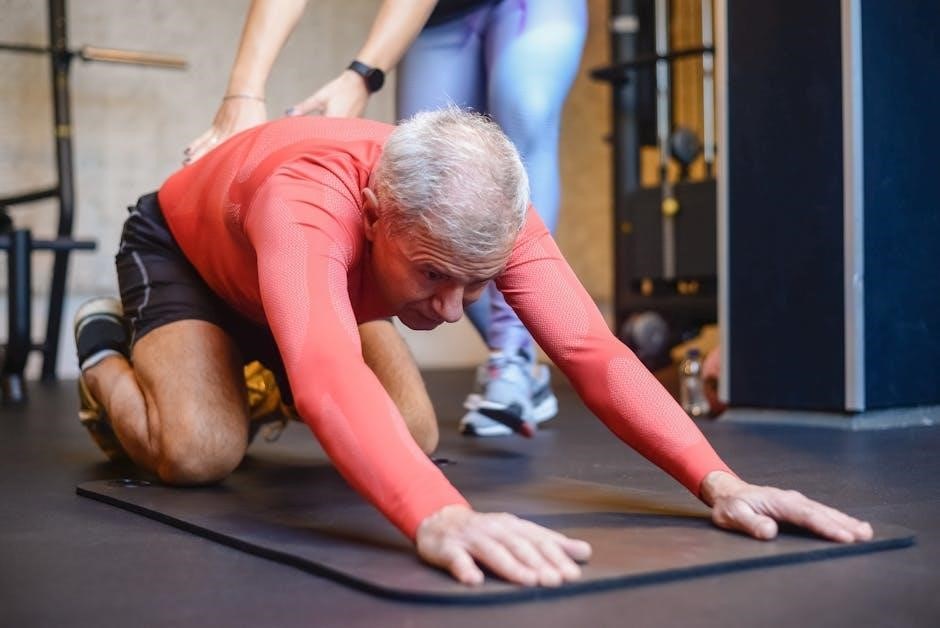
Beginners can modify by performing plyometric push-ups with hands elevated on a stable surface․ Aim for 3-4 sets of 5-8 repetitions, prioritizing form over quantity․ PDF programs often integrate these as a challenging component of upper body power development․
Designing Your Explosive Workout Program
Crafting an effective explosive workout program, often detailed in comprehensive PDF guides, requires careful consideration of several key factors․ A well-designed program should prioritize exercises that develop rate of force development (RFD) and power output․ PDF resources emphasize a progressive overload approach, gradually increasing intensity and volume․
Begin by assessing your current fitness level and identifying specific performance goals․ PDF programs typically categorize workouts based on experience – beginner, intermediate, or advanced․ Incorporate a variety of plyometric exercises, weightlifting movements (squats, cleans), and sport-specific drills․

Structure your program with distinct phases: accumulation (building a base), intensification (increasing power), and realization (peaking for performance)․ PDF guides often provide sample weekly schedules and exercise progressions․ Remember to prioritize proper form and technique to minimize injury risk․
Warm-up and Cool-down Protocols
Effective warm-up and cool-down routines are crucial components of any explosive workout program, often thoroughly outlined in PDF guides․ A dynamic warm-up prepares muscles for high-intensity activity, increasing blood flow and range of motion․ PDF resources recommend exercises like leg swings, arm circles, and torso twists․
Prioritize movements that mimic the exercises in your workout․ For example, if performing squat jumps, include bodyweight squats and lunges in your warm-up․ A proper warm-up minimizes injury risk and optimizes performance․ Cool-down protocols, detailed in PDFs, focus on gradually reducing heart rate and muscle tension․
Include static stretching, holding each stretch for 20-30 seconds․ PDF guides suggest targeting major muscle groups used during the workout․ Foam rolling can also aid in muscle recovery and flexibility․ Consistent warm-up and cool-down routines are essential for long-term progress․
Sample 10-Week Explosive Training Program
Many explosive workout program PDFs feature structured 10-week plans, progressively increasing intensity․ Weeks 1-3 focus on building a foundation with lower-impact plyometrics like squat jumps and box step-ups, performed 2-3 times weekly․ PDF guides emphasize proper form over height or speed․
Weeks 4-6 introduce more challenging exercises, such as depth jumps and medicine ball throws, increasing volume and incorporating resistance․ PDF resources often detail specific set and rep schemes․ Weeks 7-10 prioritize maximal power output with advanced plyometrics and heavier loads․
These weeks involve exercises like single-leg hops and weighted jump squats, performed with reduced repetitions but increased effort․ PDF programs stress the importance of adequate rest and recovery between sets and workouts․ Remember to adjust the program based on individual fitness levels․
Workout Frequency and Intensity
Explosive workout program PDFs typically recommend 2-3 sessions per week, allowing for sufficient recovery between high-impact workouts․ Intensity is crucial; focus on maximal effort during each repetition, prioritizing speed and power over load initially․ PDF guides often suggest starting with bodyweight exercises before adding resistance․
As strength improves, gradually increase the weight or resistance used, maintaining explosive movement․ PDF resources emphasize the importance of controlled eccentric phases (lowering portion of the exercise) to maximize power development․ Avoid performing explosive exercises when fatigued, as this increases the risk of injury․
Listen to your body and adjust the frequency and intensity accordingly․ PDF programs may include rate of perceived exertion (RPE) scales to help gauge effort levels․ Proper warm-up and cool-down are essential components of each session, as detailed in many PDF guides․
Nutrition for Explosive Power
Explosive workout program PDFs consistently highlight the vital role of nutrition in maximizing performance and recovery․ Adequate calorie intake is paramount, supporting the energy demands of high-intensity training․ Prioritize a diet rich in complex carbohydrates, providing sustained energy for workouts and replenishing glycogen stores․
Protein intake is crucial for muscle repair and growth, typically recommended at 1․6-2․2 grams per kilogram of body weight․ PDF guides often emphasize the importance of timing protein consumption around workouts․ Healthy fats are also essential, supporting hormone production and overall health․
Hydration is often overlooked but critically important for explosive power; PDF resources recommend drinking plenty of water throughout the day, especially before, during, and after training․ Consider incorporating creatine supplementation, as discussed in some PDFs, to enhance power output․
Recovery and Injury Prevention
Explosive workout program PDFs universally stress the importance of recovery to prevent injuries and optimize gains․ Adequate sleep – 7-9 hours nightly – is non-negotiable, facilitating muscle repair and hormonal balance․ Active recovery, such as light cardio or stretching, aids in reducing muscle soreness and improving blood flow․
Proper warm-up and cool-down routines, detailed in many PDF guides, are crucial for preparing the body for intense activity and promoting recovery․ Listen to your body and don’t push through pain; rest when needed․ PDF resources often recommend incorporating foam rolling and massage to address muscle tightness․
Progressive overload is key; avoid increasing intensity or volume too quickly․ Focus on proper form during exercises to minimize the risk of injury․ Consider consulting with a healthcare professional or certified trainer for personalized guidance․
Choosing the Right PDF Program
Selecting the appropriate explosive workout program PDF requires careful consideration of your current fitness level and goals․ Beginners should opt for programs with foundational movements and gradual progression, while experienced athletes can tackle more advanced routines․
Evaluate the program’s structure; a well-designed PDF will include clear exercise instructions, detailed warm-up and cool-down protocols, and a progressive training schedule․ Look for programs that emphasize proper form and technique to minimize injury risk․ Consider the equipment required – some programs necessitate access to a gym, while others can be performed with minimal equipment․
Read reviews and testimonials from other users to gauge the program’s effectiveness․ Ensure the PDF is created by a qualified professional, such as a certified strength and conditioning specialist․ Prioritize programs that align with your specific athletic pursuits․
Evaluating Program Effectiveness: Tracking Progress
Monitoring your progress is crucial when following an explosive workout program PDF․ Regularly assess your performance to determine if the program is yielding the desired results․ Keep a detailed training log, recording sets, reps, weight used, and perceived exertion for each exercise․
Track key performance indicators (KPIs) relevant to explosive power, such as vertical jump height, broad jump distance, and sprint times․ Periodically re-test these metrics to quantify improvements․ Pay attention to subjective feedback, noting any changes in strength, speed, and agility․
Analyze your training log to identify plateaus or areas where progress has stalled․ Adjust the program accordingly, potentially increasing intensity, volume, or exercise complexity․ Consistent tracking provides valuable insights, ensuring you stay on track towards achieving your explosive power goals․
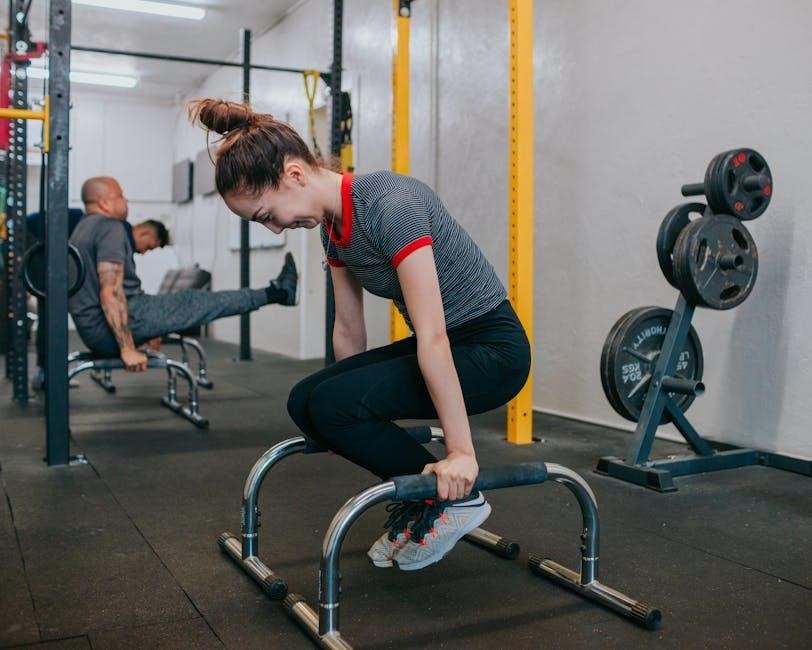
Potential Risks and Considerations
Explosive workout programs, often delivered as a PDF, demand a high level of physical conditioning and proper technique․ Improper form significantly increases the risk of acute injuries like muscle strains, ligament sprains, and joint pain․ Beginners should start slowly, mastering foundational movements before progressing to advanced plyometrics․
Overuse injuries are also a concern due to the high impact nature of these exercises․ Adequate recovery, including sufficient sleep and nutrition, is paramount․ Individuals with pre-existing joint problems or musculoskeletal conditions should consult a healthcare professional before starting․
Always prioritize a thorough warm-up and cool-down to prepare the body and minimize injury risk․ Listen to your body and avoid pushing through pain․ Careful program selection and mindful execution are essential for safe and effective training․
Resources for Further Learning

Numerous online platforms offer PDF guides and resources for explosive workout programs․ YouTube channels, like those focusing on vertical jump training, provide visual demonstrations of exercises and technique․ Websites dedicated to athletic performance and strength & conditioning often feature articles and program templates․
Consider exploring resources from certified strength and conditioning specialists (CSCS) for evidence-based information․ Research peer-reviewed studies on plyometrics and explosive training to deepen your understanding․ Online forums and communities can offer valuable insights and support from fellow athletes․
Remember to critically evaluate the source and credentials of any information you encounter․ Look for programs designed by qualified professionals and tailored to your fitness level․ Continuous learning and adaptation are key to maximizing results and minimizing risk․