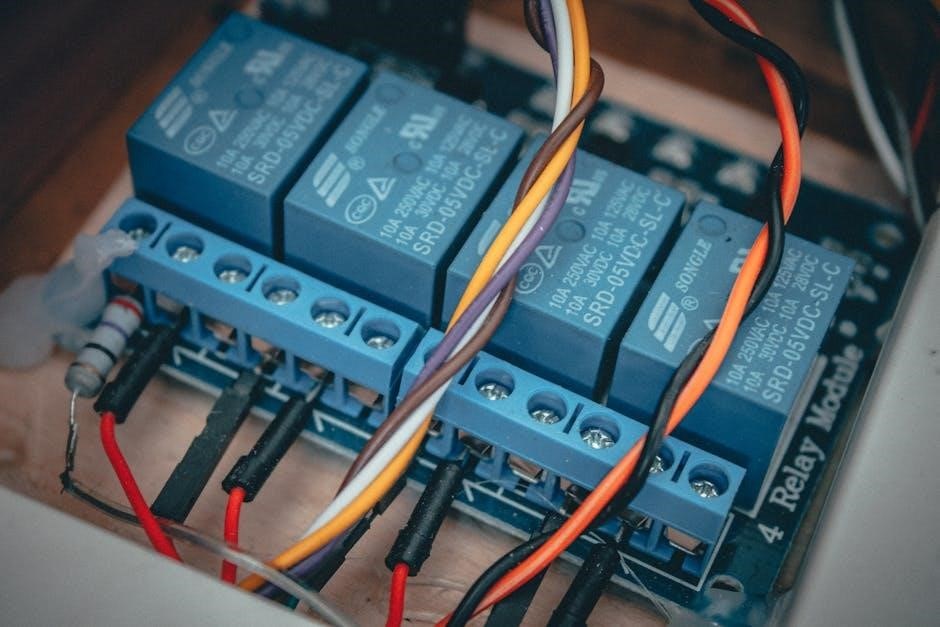
HPM Light Switch Wiring Instructions: A Comprehensive Guide
HPM switches, fundamental to Australian electrical setups, comprise a mechanism and plate, easily separated for versatile plate interchangeability․ This guide details
installation, troubleshooting, and operation of various HPM switch types, ensuring safe and effective lighting control within your home․
Understanding HPM Switches
HPM switches are a cornerstone of Australian home electrical wiring, renowned for their reliability and straightforward design․ They typically consist of two primary components: the mechanism (often black) and the plate (usually white)․ These parts are designed to be easily separated, allowing for flexibility in choosing plate styles or fitting the mechanism into multi-mech plates of the same brand․
Understanding the basic functionality is crucial before wiring․ HPM switches control the flow of electricity to a light fixture, essentially acting as an on/off gate․ Different types exist, including single-pole (controlling a light from one location), two-way (controlling a light from two locations), and PIR (Passive Infrared) detector switches for automatic operation․ Familiarizing yourself with these distinctions is vital for correct installation and safe operation․ Proper installation ensures efficient lighting control and adherence to Australian electrical standards․
Components of an HPM Light Switch
An HPM light switch, while seemingly simple, comprises several key components working in unison․ The core is the mechanism, the internal unit responsible for making or breaking the electrical circuit․ This typically includes a rocker or toggle, terminals for wire connections, and internal conductive parts․ The plate, usually made of plastic, provides a finished aesthetic and covers the mechanism for safety․
Terminals are crucial connection points – identifying Line/Active, Load, and Earth terminals is paramount․ Some switches, like two-way switches, feature additional traveler terminals․ Screws secure the wires to the terminals, ensuring a firm connection․ PIR switches incorporate a sensor to detect motion, and adjustment knobs for sensitivity and time settings․ Understanding each component’s function is essential for successful and safe wiring, allowing for proper installation and troubleshooting․
Safety Precautions Before Wiring
Electrical safety is paramount when working with HPM light switches․ Always disconnect the power supply at the main circuit breaker before commencing any wiring work․ Never assume a wire is not live; use a voltage tester to confirm․ Ensure your hands and work area are dry to prevent electric shock․ Wear appropriate safety glasses to protect your eyes․
If you are unfamiliar with electrical wiring, consult a qualified electrician․ Incorrect wiring can lead to fire hazards or electrical shock․ Double-check all connections before restoring power․ Be aware of local electrical codes and regulations․ Do not work on wiring in wet or damp conditions․ Proper insulation and grounding are vital for safety․ Remember, prioritizing safety prevents accidents and ensures a secure electrical system․
Tools Required for Installation
Successfully installing HPM light switches requires specific tools for a safe and efficient process․ A voltage tester is crucial to confirm power is off before handling wires․ Insulated screwdrivers (flathead and Phillips head) prevent accidental shorts․ Wire strippers are essential for cleanly removing insulation without damaging conductors․ Pliers assist with bending and manipulating wires․
A multimeter can verify continuity and voltage levels․ Electrical tape provides insulation for connections․ A stud finder helps locate wall studs for secure switch mounting․ Safety glasses protect your eyes from debris․ A flashlight illuminates dark areas․ Consider a cable tester for complex wiring scenarios․ Having these tools readily available streamlines the installation and ensures professional results․

Wiring a Single-Pole HPM Light Switch
Single-pole switches control a light from one location, representing the most basic Australian light switch configuration․ This section details connecting power, the fixture, and grounding safely․
Identifying the Terminals
HPM light switches feature clearly defined terminals crucial for correct wiring․ Typically, you’ll find three terminals: the Common terminal, often designated with a different color screw (usually black or dark brown), and two Traveler terminals, usually a lighter color like silver or brass․
For single-pole switches, identify the Line/Active terminal, which receives power from the electrical supply, and the Load terminal, connecting to the light fixture․ The Earth terminal, usually green or green and yellow, is for grounding․
Two-way switches have a Common terminal and two Traveler terminals․ Correctly identifying these is vital for proper two-way operation․ Always double-check the switch’s markings and consult a qualified electrician if unsure about any terminal’s function before proceeding with wiring․
Connecting the Power Source (Line/Active)
Safety first: Ensure the power is completely switched off at the circuit breaker before commencing any wiring․ The Line/Active wire, typically red or black, carries the incoming electrical supply․ Carefully strip approximately 10-12mm of insulation from the end of the wire, exposing the copper conductor․
Connect the stripped wire securely to the Common terminal of the HPM switch․ Tighten the terminal screw firmly, ensuring a solid electrical connection․ A loose connection can cause arcing, overheating, and potentially a fire hazard․
Double-check that no stray strands of wire are protruding and potentially causing a short circuit․ Proper connection of the Line/Active wire is fundamental to the switch’s functionality and safety․ If unsure, consult a qualified electrician for assistance․
Connecting the Light Fixture (Load)
With the power still disconnected at the breaker, identify the Load wire, which connects to your light fixture․ This wire is often black or blue․ Similar to the Line/Active connection, carefully strip around 10-12mm of insulation from the Load wire’s end, exposing the copper conductor․
Securely connect the stripped Load wire to the remaining terminal on the HPM switch – the one not connected to the power source․ Tighten the terminal screw firmly to establish a robust electrical connection․ A secure connection is vital for reliable operation and preventing hazards․
Inspect the connection to ensure no loose strands of wire are present, which could lead to short circuits․ Correctly connecting the Load wire completes the circuit, allowing the switch to control the flow of electricity to your light fixture․ If you are uncertain, seek professional help․
Grounding the Switch (Earth)
Grounding, or earthing, is a crucial safety measure․ Locate the Earth terminal on the HPM switch – typically marked with a green and yellow striped screw or the Earth symbol․ Connect a green and yellow striped Earth wire to this terminal․ This wire provides a safe path for electrical current in case of a fault․
Strip approximately 10-12mm of insulation from the Earth wire’s end, exposing the copper conductor․ Securely fasten the stripped wire under the Earth terminal screw, ensuring a tight and reliable connection․ A loose Earth connection compromises safety․
Proper grounding minimizes the risk of electric shock․ It directs stray current safely to the ground, preventing it from flowing through a person․ Always verify the Earth connection’s integrity before restoring power․ If unsure, consult a qualified electrician for assistance․

Wiring a Two-Way HPM Light Switch
Two-way switching allows controlling a light from two locations․ This requires specific wiring configurations utilizing ‘traveler’ wires connecting the two switches and the light fixture․
Understanding Two-Way Switching
Two-way switching, also known as three-way switching in some regions, fundamentally differs from single-pole operation․ Instead of simply breaking or completing a single circuit, it utilizes two switches to control a single light fixture from two separate locations․ This is achieved through a clever arrangement of wiring that doesn’t rely on a direct on/off connection like a standard switch․
The core principle involves a “common” terminal on each switch, connected to the power source (line/active) on one switch and the light fixture (load) on the other․ Crucially, two “traveler” wires connect the two switches, forming a continuous path․ The switches alternate between directing the power through different traveler wires, effectively switching the light on or off regardless of which switch is operated․
This system isn’t about which switch is “on” or “off”, but rather about which switch has completed the circuit․ Understanding this concept is vital for correctly identifying the terminals and wiring the switches appropriately․ Incorrect wiring will result in unpredictable behavior or a non-functional circuit․
Identifying Common, Traveler, and Line Terminals
Accurate terminal identification is paramount for successful two-way switch wiring․ HPM two-way switches typically feature three terminals: Common, Traveler 1, and Traveler 2․ The Common terminal is often a different color – frequently dark – and receives either the line (active) wire from the power source or the load wire connecting to the light fixture․
Traveler terminals, usually a pair, are used to connect the traveler wires between the two switches․ These wires don’t directly connect to power or the light; they act as a pathway for the electrical current to switch between the switches․ Identifying these correctly is crucial for proper functionality․
The Line terminal, receiving power, must be carefully identified and connected․ Always ensure the power is OFF before working with any wiring․ Consult the switch’s documentation or markings, if available, as terminal colors can vary slightly․ Incorrect identification can lead to a short circuit or a non-functional setup․
Connecting the Power Source to the Common Terminal
With the power supply completely switched off at the circuit breaker, carefully connect the line (active) wire from your electrical system to the Common terminal of the first two-way switch․ This wire carries the incoming power and is typically red or black, depending on local wiring standards․ Ensure a secure connection, using appropriate wire connectors or terminal screws․
Double-check that the wire is firmly seated within the terminal and that no bare wire is exposed, preventing potential short circuits․ The Common terminal is the starting point for the two-way circuit, directing power to the traveler wires․
Proper insulation of the connection is vital for safety․ After securing the line wire, gently tug on it to confirm it’s firmly held․ Remember, safety is paramount; if unsure, consult a qualified electrician before proceeding․ Incorrect connection can cause damage or pose a fire hazard․
Connecting the Traveler Wires Between Switches
Identify the traveler terminals on both HPM two-way switches – these are typically labeled as L1 and L2, or may be color-coded․ Connect the traveler wires between the corresponding terminals on each switch․ For instance, the wire connected to L1 on the first switch must connect to L1 on the second switch, and L2 to L2․
Use appropriately sized wire and secure connections with terminal screws or wire connectors․ These wires facilitate the switching action, allowing either switch to control the light fixture․ Ensure no bare wire is exposed to prevent short circuits․
Consistent wiring is crucial; swapping the traveler wires will disrupt the functionality․ Double-check your connections before restoring power․ These wires create the pathway for electricity to flow, enabling control from both switch locations․
Connecting the Light Fixture to the Second Switch
Identify the ‘common’ terminal on the second HPM two-way switch․ This terminal receives power from the traveler wires․ Connect the ‘line’ wire from the light fixture to this common terminal, ensuring a secure connection using the terminal screw or appropriate connector․
The neutral wire of the light fixture connects directly to the neutral wire of the power source, bypassing the switch entirely․ Proper grounding is essential; connect the earth wire from the light fixture to the earth terminal on the switch, and ultimately to the main electrical panel’s earth connection․
Verify all connections are tight and secure before proceeding․ Incorrect wiring can lead to malfunction or safety hazards․ This final connection completes the circuit, allowing the switches to control the light fixture’s operation․

HPM PIR Detector Switch Installation
HPM PIR switches automate lighting via motion detection․ Installation involves wiring the switch to control a light source automatically, adjusting sensitivity and time settings for optimal performance․
Understanding PIR Switch Functionality
PIR (Passive Infrared) detector switches offer convenient, automatic lighting control by sensing movement within a defined range․ Unlike traditional switches requiring manual operation, PIR switches activate lights when motion is detected, and deactivate them after a pre-set period of inactivity․ This functionality is achieved through an infrared sensor that identifies changes in heat signatures – essentially, detecting the presence of people or animals․
These switches are ideal for areas where hands-free operation is desired, such as hallways, stairwells, outdoor security lighting, and bathrooms․ The sensitivity and time duration settings allow customization to suit specific needs and environments․ Higher sensitivity detects motion from further away, while longer time durations keep the lights on for an extended period after motion ceases․ Understanding these adjustable parameters is crucial for optimizing the PIR switch’s performance and energy efficiency․
Furthermore, some PIR switches feature daylight sensor override, preventing activation during bright daylight hours, further conserving energy․ Properly understanding these features ensures effective and efficient use of the technology․
Wiring the PIR Switch for Automatic Control
Wiring a PIR switch involves connecting the power source (Line/Active), the light fixture (Load), and the Earth wire, similar to standard switch installations, but with specific considerations․ First, always disconnect the power supply at the circuit breaker before commencing any electrical work․ Identify the terminals on the PIR switch – typically labeled Line, Load, and Earth․
Connect the Line wire (active) to the designated Line terminal․ Then, connect the Load wire to the terminal intended for the light fixture․ Crucially, ensure correct wire polarity․ Finally, connect the Earth wire to the Earth terminal for safety․ Secure all connections firmly․
Some PIR switches may have additional terminals for adjusting sensitivity or time settings․ Refer to the manufacturer’s instructions for specific wiring diagrams and configuration options․ After wiring, carefully re-establish power and test the switch’s functionality, adjusting settings as needed to achieve the desired automatic control․
Adjusting Sensitivity and Time Settings
PIR switch functionality is significantly enhanced through precise adjustments of sensitivity and time settings․ Sensitivity controls the range at which the switch detects motion; higher sensitivity detects movement from further away, while lower sensitivity reduces false triggers․ Typically, a small adjustment screw or dial controls this parameter․
Time settings determine how long the connected light remains illuminated after motion is detected․ This is also usually adjusted via a screw or dial, offering a range from a few seconds to several minutes․ Experimentation is key to finding optimal settings for your environment;
Consider the location and potential sources of interference when adjusting․ Areas with pets or passing traffic may require lower sensitivity․ Darker areas might benefit from increased sensitivity․ Regularly review and readjust these settings to maintain optimal performance and energy efficiency․

Troubleshooting Common HPM Light Switch Issues
Common issues include a non-functional switch, flickering lights, or overheating․ Careful diagnosis, referencing wiring diagrams, and ensuring secure connections are vital for safe resolution․
Switch Not Working
If your HPM light switch isn’t functioning, begin with a systematic check․ First, ensure the circuit breaker hasn’t tripped․ Reset it if necessary․ Next, carefully inspect all wiring connections at the switch itself․ Loose wires are a frequent culprit; tighten any that appear insecure․
Use a voltage tester to confirm power is reaching the switch․ If no power is present, the issue lies upstream – potentially a faulty breaker, connection box, or wiring further back in the circuit․ If power is reaching the switch, the switch mechanism itself may be defective and require replacement․
Double-check the wiring configuration against a correct diagram for your specific switch type (single-pole or two-way)․ Incorrect wiring will prevent operation․ Finally, if you’re uncomfortable or unsure at any point, consult a qualified electrician to avoid potential hazards․
Flickering Lights
If lights connected to your HPM switch are flickering, several issues could be the cause․ A common problem is loose wiring connections – carefully inspect and tighten all connections at the switch, in the light fixture, and within any junction boxes․ Ensure wires are securely fastened to the terminals․
Another potential cause is a faulty switch mechanism․ If tightening connections doesn’t resolve the issue, the switch itself may be failing and need replacement․ Incompatible or failing light bulbs can also cause flickering; try a new bulb to rule this out․
Less common, but possible, is a problem with the neutral connection somewhere in the circuit․ This requires more advanced troubleshooting and is best left to a qualified electrician․ High-Power Magnetic fields (HPM) can also cause issues, but this is rare․ Always prioritize safety and consult a professional if you’re unsure․
Switch Overheating
If your HPM light switch feels hot to the touch or emits a burning smell, immediately turn off the power at the circuit breaker․ Overheating is a serious safety hazard and indicates a significant problem requiring immediate attention․ A primary cause is often overloading the circuit – too many lights or appliances drawing power from a single switch․
Loose wiring connections can also create resistance, generating heat․ Carefully inspect and tighten all terminals, ensuring wires are securely fastened․ A faulty switch mechanism itself can fail internally, causing overheating and posing a fire risk․
Incorrect wiring, such as a misconnected neutral or live wire, can also lead to overheating․ Do not attempt to repair this yourself; contact a qualified electrician for diagnosis and repair․ Ignoring overheating can result in fire or electrical shock – safety is paramount․