
PDF UI refactoring addresses outdated interfaces, leveraging tools like GPT-5․3 for code optimization and content simplification․ Accessibility and modern design are key, improving user experience․
The Growing Need for PDF UI/UX Improvement
PDFs, while ubiquitous for document distribution, often suffer from poor user interfaces and frustrating user experiences․ Originally designed for print representation, many PDFs haven’t adapted well to the interactive demands of digital consumption․ This is increasingly problematic as users expect the same level of polish and usability found in modern web and mobile applications․
The rise of digital workflows necessitates a re-evaluation of PDF interaction․ Users are no longer simply passively reading; they need to fill forms, sign documents, navigate complex reports, and access information efficiently․ Outdated UI patterns, lack of responsiveness, and accessibility issues hinder these tasks․ Furthermore, advancements in AI, such as GPT-5․3, now offer powerful capabilities to automate and enhance PDF refactoring, making significant UI/UX improvements feasible․
Ignoring these needs leads to decreased productivity, user frustration, and potential accessibility barriers․ Modernizing PDF interfaces is no longer a luxury, but a necessity for effective communication and digital engagement․
What is UI Refactoring? A Definition
UI Refactoring, borrowed from software development, is the process of restructuring an existing user interface without changing its external behavior․ In the context of PDFs, this means improving the layout, design, and interactive elements – forms, navigation, and accessibility – while preserving the document’s core content and functionality․
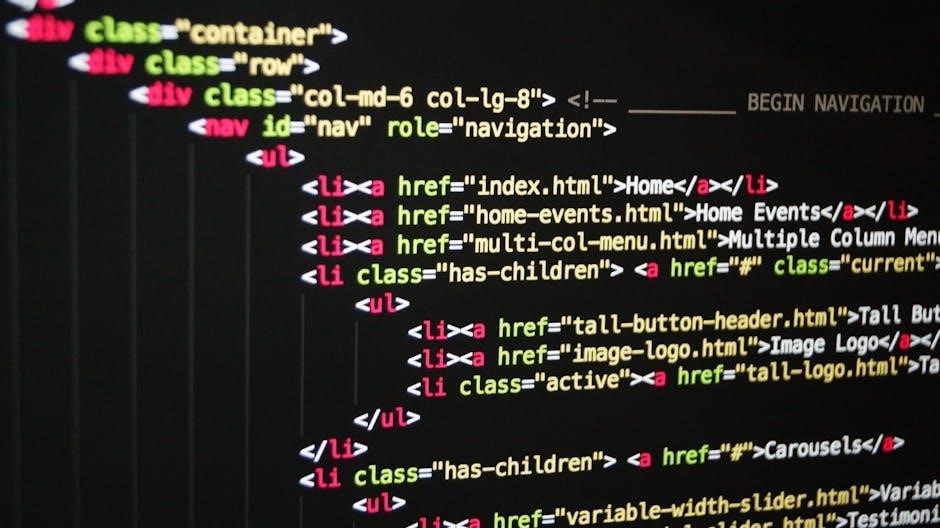
It’s not a redesign, but rather a focused optimization․ Think of it as cleaning up and streamlining the existing structure․ This can involve simplifying complex layouts, updating outdated UI patterns, and ensuring responsiveness across different devices․ Tools like GPT-5․3 can assist by automating code generation and suggesting improvements to content structure․
Effective UI Refactoring prioritizes usability, accessibility (following WCAG standards), and consistency․ The goal is to create a more intuitive and efficient experience for users interacting with PDF documents, ultimately enhancing their overall satisfaction and productivity․
Scope of this Article: Focusing on PDF Interfaces
This article specifically addresses the challenges and solutions surrounding UI Refactoring within PDF documents․ We will not delve into general web or application UI improvements, but rather concentrate on the unique constraints and opportunities presented by the PDF format․
Our focus encompasses improving the user experience of interactive PDFs – those containing forms, embedded multimedia, and dynamic elements․ We’ll explore how to modernize these interfaces, leveraging tools like PDF libraries (iText, PDFBox) and emerging AI-powered assistance, including GPT-5․3, for code optimization and content restructuring․
The discussion will center on practical strategies for analyzing existing PDF UIs, defining clear UI/UX goals, and implementing changes iteratively․ Accessibility, maintaining functionality, and ensuring design consistency will be recurring themes throughout this exploration of PDF interface enhancement․

Challenges in PDF UI Design
PDF design faces limitations due to its static nature and accessibility concerns․ Refactoring often involves legacy systems with outdated patterns, requiring careful functionality preservation during updates․
PDF Format Limitations & Accessibility
PDFs, while universally viewed, present inherent UI challenges․ Their format often lacks the responsiveness of modern web technologies, hindering adaptation to diverse screen sizes․ Static layouts can become problematic for users requiring magnification or screen readers․ Refactoring necessitates addressing these limitations to ensure inclusivity․
Accessibility is paramount․ Many PDFs lack proper tagging, making content inaccessible to visually impaired users․ Implementing semantic structure and alternative text for images is crucial during refactoring․ Compliance with WCAG (Web Content Accessibility Guidelines) is not merely best practice, but often a legal requirement․
Furthermore, complex PDF forms can be difficult to navigate and complete, especially on mobile devices․ Refactoring should prioritize simplifying form fields and providing clear instructions․ Utilizing newer PDF features and potentially converting sections to interactive web views can significantly improve usability and accessibility․
Legacy Systems and Outdated UI Patterns
Many PDF interfaces stem from legacy systems employing outdated UI patterns․ These often prioritize print presentation over interactive usability, resulting in cluttered layouts, inconsistent navigation, and a general lack of responsiveness․ Refactoring these systems requires a careful assessment of existing workflows and user needs․
Older PDF creation tools frequently generated documents lacking semantic structure, making content extraction and repurposing difficult․ This presents a significant hurdle during refactoring, as simply “updating” the visual appearance may not address underlying accessibility or maintainability issues․
Furthermore, reliance on older PDF libraries can limit access to modern features and optimization techniques․ Migrating to more current libraries, like iText or PDFBox, can unlock new possibilities for dynamic content and improved user experience․ However, this migration must be carefully planned to avoid breaking existing functionality․
Maintaining Functionality During Refactoring
Preserving existing functionality is paramount when refactoring PDF UIs․ A phased approach, prioritizing iterative development, minimizes disruption and allows for continuous testing․ Comprehensive regression testing is crucial after each change to ensure core features remain operational․
Before implementing significant alterations, create a robust backup of the original PDF generation process․ This provides a safety net for reverting to a stable state if unforeseen issues arise․ Version control systems are invaluable for tracking changes and facilitating rollbacks․

Consider employing feature flags to selectively enable new UI elements or behaviors․ This allows for A/B testing and gathering user feedback before a full rollout․ Utilizing GPT-5․3 for code analysis can help identify potential conflicts and ensure compatibility with existing systems, reducing the risk of introducing bugs․

Tools and Technologies for PDF UI Refactoring
iText, PDFBox, and JavaScript are essential․ GPT-5․3 assists with code generation and optimization, enhancing dynamic manipulation and streamlining the refactoring process․
PDF Libraries: iText, PDFBox, and Alternatives
iText and PDFBox stand as foundational libraries for PDF manipulation, offering robust capabilities for refactoring․ iText, known for its Java and ․NET support, excels in creating and modifying PDF content programmatically, allowing developers to alter text, images, and form fields․ PDFBox, an open-source Java library, provides similar functionalities, focusing on PDF creation, extraction, and splitting․
However, several alternatives exist; Aspose․PDF offers a comprehensive suite of features, including advanced layout control and digital signature support․ PDFsharp, another ․NET library, provides a simpler API for basic PDF operations․ When selecting a library, consider factors like licensing costs, community support, and the specific refactoring tasks required․ For complex UI changes, a library with strong layout manipulation features is crucial․ Furthermore, understanding each library’s strengths and weaknesses ensures a smoother integration into the refactoring workflow, ultimately leading to a more efficient and successful PDF UI overhaul․
JavaScript for Dynamic PDF Manipulation
JavaScript plays a vital role in dynamically refactoring PDF UIs, particularly for interactive elements and client-side modifications․ Utilizing JavaScript libraries within PDF viewers allows for real-time adjustments to form fields, annotations, and even content display․ This is especially useful for enhancing accessibility and responsiveness․ Libraries like PDF․js, developed by Mozilla, enable rendering PDFs directly in the browser, opening doors for JavaScript-driven UI enhancements․
However, direct manipulation of PDF content with JavaScript can be complex․ It often involves interacting with the PDF’s internal structure and requires a solid understanding of PDF syntax․ Modern approaches leverage JavaScript to control the presentation of the PDF rather than directly altering its core content․ This includes dynamically showing/hiding elements, adjusting styles, and handling user interactions․ Combining JavaScript with server-side PDF libraries provides a powerful synergy, enabling both structural refactoring and dynamic UI improvements․
Utilizing AI-Powered Tools (GPT-4, GPT-5․3) for Assistance
AI, specifically models like GPT-4 and GPT-5․3, dramatically accelerates PDF UI refactoring․ These tools excel at code generation, offering assistance with JavaScript modifications for dynamic elements and accessibility improvements․ GPT-5․3, being the more advanced model, demonstrates stronger contextual awareness and natural language understanding, leading to more refined code suggestions․
Beyond code, AI assists in content restructuring and simplification, identifying overly complex layouts or verbose text․ It can analyze existing PDFs, pinpointing areas for improvement based on UI/UX principles․ Furthermore, AI can analyze user feedback – potentially extracted from forms or surveys – to identify pain points and prioritize refactoring efforts․ The ability of GPT-4o to process and understand images also aids in analyzing visual layouts․ These tools don’t replace developers, but significantly enhance their efficiency and the quality of the refactored PDF interfaces․
Refactoring Strategies: A Step-by-Step Approach
Refactoring begins with UI analysis to identify issues, defining clear UX goals, and then implementing changes iteratively․ GPT tools aid each stage for optimal results․
Analyzing Existing PDF UI: Identifying Pain Points
Thorough analysis is crucial before any PDF UI refactoring․ Begin by meticulously documenting the current user experience․ Identify areas where users struggle – forms that are difficult to complete, navigation that is unclear, or content that is poorly organized․ Pay close attention to accessibility issues; are form fields properly tagged for screen readers? Is the color contrast sufficient for users with visual impairments?
Heuristic evaluations can reveal usability problems․ Consider the visual hierarchy; does it guide the user’s eye effectively? Are interactive elements clearly identifiable? Examine the PDF’s structure – is it logical and consistent? Look for outdated UI patterns that hinder usability․
User feedback, if available, is invaluable․ Analyze support tickets and user surveys to pinpoint common complaints․ GPT-5․3 can assist in analyzing large volumes of textual feedback, identifying recurring themes and pain points․ This detailed assessment forms the foundation for a successful refactoring strategy, ensuring improvements address real user needs․
Defining Clear UI/UX Goals for Refactoring
Establishing well-defined goals is paramount before embarking on PDF UI refactoring․ These goals should be specific, measurable, achievable, relevant, and time-bound (SMART)․ For example, instead of “improve usability,” aim for “reduce form completion time by 20%․” Prioritize accessibility; a key goal might be achieving WCAG 2․1 AA compliance․
Consider the target audience and their specific needs․ What tasks are they trying to accomplish with the PDF? Goals should align with these tasks․ Focus on streamlining workflows, simplifying complex information, and enhancing visual clarity․

Leverage AI tools like GPT-5․3 to brainstorm potential improvements and assess their feasibility․ Define success metrics – how will you measure whether the refactoring has achieved its objectives? Document these goals clearly; they will guide the development process and serve as benchmarks for evaluating the final result․
Implementing Changes: Iterative Development
Refactoring PDF UIs shouldn’t be a monolithic overhaul; embrace an iterative approach․ Begin with small, focused changes, testing each increment thoroughly․ Utilize PDF libraries like iText or PDFBox for structural modifications, and JavaScript for dynamic enhancements․ GPT-5․3 can assist with code generation and optimization during each iteration․
Prioritize core functionality first․ Address critical usability issues before tackling cosmetic improvements․ Regularly solicit user feedback – even early prototypes can reveal valuable insights․ Implement changes in stages, validating each step against the defined UI/UX goals․
Version control is crucial․ Maintain backups of each iteration, allowing for easy rollback if necessary․ Automated testing can help identify regressions and ensure that new changes don’t break existing functionality․ This iterative process minimizes risk and maximizes the chances of a successful refactoring outcome․
Leveraging AI (GPT-4/5․3) in the Refactoring Process
GPT-4/5․3 accelerates PDF UI refactoring through code generation, content restructuring, and user feedback analysis, enhancing efficiency and design quality significantly․
Using GPT-5․3 for Code Generation & Optimization
GPT-5․3 dramatically streamlines the code-intensive aspects of PDF UI refactoring․ Traditionally, modifying PDF structures—especially dynamic elements—required extensive manual coding in languages supported by PDF libraries like iText or PDFBox․ Now, GPT-5․3 can generate code snippets for common UI adjustments, such as form field manipulation, layout changes, and interactive element additions, based on natural language prompts․
Furthermore, GPT-5;3 excels at code optimization․ Existing, often legacy, PDF code can be analyzed and refactored for improved performance and readability․ It identifies redundancies, suggests more efficient algorithms, and even translates code between different supported languages․ This is particularly valuable when dealing with complex PDF documents built using outdated or inefficient techniques․ The model’s ability to understand context allows it to propose optimizations that maintain functionality while enhancing the overall code quality, reducing file sizes and improving rendering speeds․ It’s a powerful tool for modernizing PDF interfaces․
AI-Assisted Content Restructuring & Simplification
PDF UI refactoring often reveals content that is poorly organized or overly complex․ GPT-4/5․3 offers significant assistance in restructuring and simplifying this content for improved usability․ The AI can analyze lengthy text blocks, identify key information, and suggest more concise phrasing․ It can also automatically generate summaries, bullet points, or tables to present information in a more digestible format․
Beyond text, GPT-5․3 can assist with the logical flow of information within the PDF․ It can propose reordering sections, creating clearer headings and subheadings, and improving the overall narrative structure․ This is especially useful for documents like reports or manuals where clarity is paramount․ Moreover, the AI can identify redundant content and suggest its removal, reducing clutter and improving the user experience․ By automating these content-related tasks, GPT-5․3 accelerates the refactoring process and ensures a more user-friendly final product․
GPT-4/5․3 for User Feedback Analysis & Improvement
Refactoring PDF UIs benefits immensely from understanding user perspectives․ GPT-4/5․3 can analyze user feedback – surveys, comments, or usability testing transcripts – to identify common pain points and areas for improvement․ The AI excels at sentiment analysis, quickly categorizing feedback as positive, negative, or neutral, and pinpointing specific UI elements causing frustration․
Furthermore, GPT-5․3 can go beyond simple categorization․ It can identify recurring themes in user feedback, even when expressed using different wording․ This allows designers to understand the underlying issues, not just the surface-level complaints․ The AI can then suggest specific UI changes to address these issues, such as simplifying navigation, improving form labels, or increasing font sizes․ By leveraging AI-powered feedback analysis, the refactoring process becomes data-driven and focused on delivering a truly user-centered experience, leading to more effective and satisfying PDF interfaces․

Best Practices for PDF UI Refactoring
Prioritize accessibility (WCAG), maintain consistent branding, and conduct thorough testing․ GPT-5․3 aids in validation, ensuring a user-friendly and compliant PDF experience․

Prioritizing Accessibility Standards (WCAG)
Accessibility is paramount during PDF UI refactoring․ Adhering to the Web Content Accessibility Guidelines (WCAG) ensures inclusivity for all users, including those with disabilities; This involves structuring content logically with proper heading tags, alt text for images, and ensuring sufficient color contrast․
Refactoring should address issues like missing document language attributes and improper reading order․ PDF forms require accessible field labels and clear instructions․ Utilizing GPT-5․3 can assist in identifying accessibility violations and suggesting remediation strategies․ Automated tools can also scan for common accessibility errors, but manual review is crucial․
Consider keyboard navigation, screen reader compatibility, and providing transcripts for multimedia content․ A truly refactored PDF UI isn’t just visually appealing; it’s usable by everyone, regardless of their abilities․ Ignoring accessibility standards can lead to legal issues and exclude a significant portion of potential users․
Maintaining Consistency in Design and Branding
During PDF UI refactoring, preserving brand identity is crucial․ A consistent design fosters recognition and trust with your audience․ This means adhering to established style guides regarding typography, color palettes, and logo usage․ Avoid introducing jarring visual changes that deviate from existing brand materials․
Refactoring should aim to modernize the UI while respecting core brand elements․ GPT-5․3 can assist in applying consistent styling across the document, ensuring uniformity in headings, lists, and other design components․ Template creation and reuse are vital for maintaining consistency across multiple PDFs․
Consider the overall user experience; a cohesive design improves readability and comprehension․ Inconsistencies can create confusion and diminish brand credibility․ Thorough review and testing are essential to guarantee that the refactored PDF UI aligns with your organization’s branding guidelines and delivers a professional, unified experience․
Thorough Testing and Validation
Post-refactoring, rigorous testing is paramount to ensure functionality and usability․ This includes verifying form submissions, link navigation, and interactive elements across various PDF viewers and devices․ Accessibility testing, adhering to WCAG standards, is non-negotiable, confirming compatibility with assistive technologies․
User acceptance testing (UAT) provides valuable feedback on the redesigned UI․ Gather input from representative users to identify pain points and areas for improvement․ GPT-5․3 can aid in analyzing user feedback, identifying recurring themes and suggesting refinements․
Validation should extend to content accuracy and formatting․ Confirm that all information remains correct and visually appealing after refactoring․ Automated testing tools can help detect inconsistencies and errors․ A comprehensive testing strategy minimizes risks and guarantees a polished, reliable PDF experience for all users․