
Explore The Last Supper Worksheet PDFs as engaging tools that blend biblical study with visual analysis. These PDFs guide students through key themes, prompting critical thinking and creative reflection. Ideal for teachers seeking interactive, downloadable resources. Use them for lesson plans daily.
Definition and Purpose of a Worksheet PDF
A worksheet PDF is a structured, printable document that combines instructional prompts, visual aids, and assessment elements into a single, easily distributable format. For The Last Supper studies, these PDFs serve several key purposes:
- Conceptual Clarification: They translate complex theological ideas—such as covenant, sacrifice, and community—into digestible questions and activities.
- Visual Engagement: By embedding high‑resolution images of Leonardo da Vinci’s masterpiece, students can analyze composition, symbolism, and artistic techniques while answering guided questions.
- Skill Development: Worksheets encourage critical thinking, interpretive analysis, and collaborative discussion, aligning with curriculum standards for history, art, and religious studies.
- Assessment and Feedback: Built‑in answer keys or rubric sections allow teachers to quickly gauge comprehension and provide targeted feedback.
- Accessibility: PDFs can be annotated, printed, or shared digitally, making them versatile for diverse classroom settings and remote learning environments.
Ultimately, a well‑designed worksheet PDF transforms passive observation of a famous painting into an active, inquiry‑based learning experience that deepens students’ understanding of biblical narrative and artistic expression.
Students will reflect.
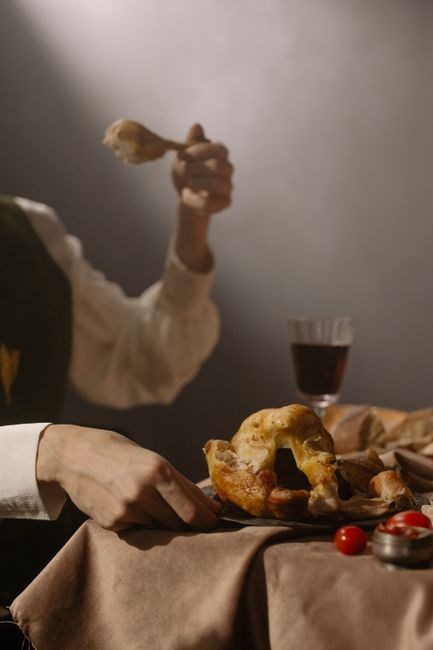
Historical Context of The Last Supper Painting
Leonardo da Vinci painted The Last Supper (1495‑1498) in Milan’s Santa Maria delle Grazie. Commissioned by Duke Ludovico Sforza, it reflects Renaissance humanism, blending biblical narrative with innovative perspective and symbolic detail.2024!!
Artistic Background and Commission
Leonardo’s commission by Duke Ludovico Sforza was not merely a patronage transaction; it was a deliberate attempt to embed the duke’s political power and spiritual devotion within a masterwork that would outlast his reign. The choice of the refectory of Santa Maria delle Grazie as the canvas was strategic: the space’s high ceiling and long walls allowed Leonardo to experiment with linear perspective on a grand scale, creating a visual narrative that unfolded like a theological roadmap. The artist’s preparatory sketches reveal a meticulous study of human anatomy, the placement of light, and the symbolic meaning of each gesture. He employed a tempera‑on‑wet‑plaster technique, a departure from traditional fresco, which allowed for finer detail but also made the work vulnerable to moisture and time. The painting’s rapid deterioration in the 16th century prompted a series of restoration efforts, notably the 1999–2000 project that stabilized the surface, removed layers of grime, and employed modern imaging to recover lost details. These interventions have sparked debate among conservationists about the ethics of restoration versus preservation of original patina. Additionally, the Last Supper’s iconography—particularly the positioning of the bread and wine, the gestures of the apostles, and the subtle use of color—has been the subject of scholarly analysis for centuries. Art historians argue that Leonardo encoded theological concepts such as the Eucharist, the Holy Trinity, and the concept of predestination within the composition. The painting’s influence extended beyond Italy; it inspired a generation of artists, from Raphael’s “The Baptism of Christ” to modern interpretations in film and literature. Understanding this artistic background and the commission’s context provides students with a multidimensional framework for analyzing the artwork, linking visual technique, historical circumstances, and theological symbolism. Leonardo’s mastery of light and shadow continues to inspire artists and scholars alike, as evidenced by the countless studies, reproductions, and reinterpretations that have emerged over the centuries. Each new generation of viewers brings fresh perspectives, uncovering layers of meaning that were previously overlooked. The painting’s enduring legacy is a testament to the power of art to transcend time, culture, and language, inviting ongoing dialogue about faith, history, and human experience.

Key Biblical Themes Covered in Worksheets
These worksheets explore the Last Supper’s core biblical themes: the institution of the Eucharist, Christ’s sacrifice, discipleship, and the promise of the Holy Spirit. Students analyze scriptural passages, symbolic gestures, and theological implications, fostering critical reflection. Explore.
Symbolism of the Table and Elements
In the Last Supper, the table becomes a sacred stage where each item carries theological weight. Bread, the body of Christ, is broken and shared, echoing the covenant of sacrifice. Wine, the new covenant, foreshadows the blood shed for redemption. Olive oil, a staple of the era, symbolizes peace and the Holy Spirit’s anointing. Salt, used to preserve food, represents covenantal fidelity and the enduring nature of God’s promise. The arrangement of the table—seven seats—mirrors the completeness of the divine plan, while the placement of the chalice and loaf invites students to explore the interplay of physical nourishment and spiritual sustenance. Worksheets prompt learners to map each element to scriptural passages, encouraging critical analysis of how material culture reflects divine intent. By engaging with these symbols, students gain insight into the profound connection between everyday objects and the foundational narratives of faith.
Students also examine the table’s color palette, noting the earthy tones that reflect humility and the communal nature of the meal. The placement of the chalice on a raised pedestal signifies its elevated spiritual importance, while the simple loaf placed on a wooden board underscores the humility of Christ’s sacrifice. By correlating these visual cues with biblical exegesis, learners develop a nuanced appreciation for how art and scripture intertwine to convey timeless truths.
Students reflect!
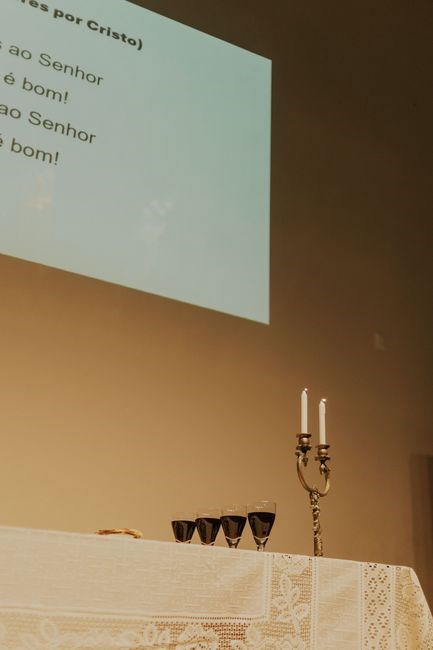
This encourages deeper engagement, reflection!!.
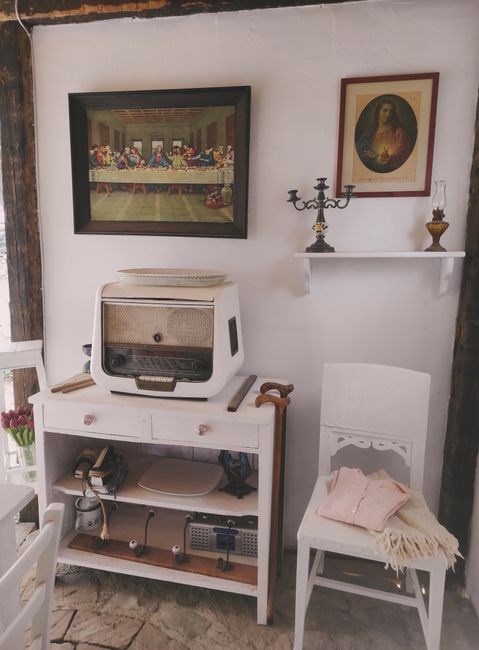
Common Worksheet Formats and Layouts
Typical Last Supper worksheets feature a clean, grid‑based layout with sections for image analysis, key terms, and reflective questions. Many PDFs include a central illustration, side‑by‑side commentary, and a printable answer key for teachers. daily!?
Standard Layouts and Design Elements

Standard Last Supper worksheets often adopt a symmetrical, grid‑based design that mirrors the composition of the original painting. A central image occupies the top half, flanked by two columns of text that provide guided questions, vocabulary, and reflection prompts. The layout is intentionally modular: each column contains a short paragraph of background, a set of multiple‑choice or fill‑in‑the‑blank items, and a space for students to annotate their own observations. Visual hierarchy is achieved through the use of bold headings, numbered lists, and contrasting background colors that differentiate sections without overwhelming the eye. Many PDFs incorporate a “key” panel at the bottom, offering a concise summary of the main biblical themes and a brief explanation of symbolic elements such as the bread, wine, and the table’s arrangement. The design also often includes a small sidebar with a quick fact or a related scripture reference, encouraging cross‑referencing. Accessibility is addressed by using high‑contrast text, large fonts, and alt‑text descriptions for images. The overall aesthetic is clean, uncluttered, and conducive to group discussion, allowing teachers to print or share digitally with minimal formatting issues. Teachers can adapt these layouts by inserting activities, key symbols that highlight the historical context, thereby enhancing engagement and reinforcing the learning objectives across classroom settings Flexibility supports all learners now

Educational Objectives for Different Grade Levels
These worksheets align with curriculum standards, fostering critical analysis and empathy. Younger grades focus on narrative sequencing and symbol identification, while older students debate themes, write reflections, and researchand contexts
Grade‑specific Goal Setting
Grade‑specific goal setting for The Last Supper worksheets aligns with developmental milestones and curriculum standards. In early elementary grades, objectives focus on visual recognition and basic narrative sequencing. Students identify key figures, color the scene, and match simple symbols such as bread, wine, and the table’s arrangement to foundational biblical concepts. Worksheets incorporate large, bold images, drag‑and‑drop activities, and matching exercises that reinforce observation skills while encouraging fine‑motor practice and fostering curiosity about how art conveys stories. In middle grades, the emphasis shifts to deeper symbolic analysis and textual comparison. Students trace the order of events, label each disciple, and answer short‑answer questions about the meaning of the table’s arrangement. Worksheets prompt students to match objects with their biblical significance, such as loaves representing community and wine symbolizing covenant. Students also create concept maps linking visual cues to scriptural passages, strengthening inference skills and connecting art with scripture. High school and college levels demand scholarly critique and original research, requiring students to cite primary sources, analyze iconographic symbolism, and construct thesis statements. They compare the painting to other Last Supper depictions, assessing variations in style, symbolism, and theological emphasis, and present findings through oral presentations, research papers, or digital media projects. The goal is to develop advanced analytical skills, academic writing, and public speaking proficiency, preparing students for interdisciplinary inquiry and critical thinking across the arts and humanities.

Downloading and Accessing PDFs Safely
Use trusted educational sites, verify URLs, avoid pop‑ups, and scan files with antivirus before opening. Prefer PDFs from school portals or official ministry sites to ensure content accuracy and safety. Use a reputable source and verify file size now.
Safe Source Identification
When searching for The Last Supper Worksheet PDFs, begin with trusted educational portals such as the U.S. Department of Education, state education departments, or your local school district’s digital library. Domains ending in .edu, .gov, or reputable nonprofit .org are primary indicators of credibility. Always confirm a secure HTTPS connection; the browser’s address bar should display a padlock icon, signaling encrypted data transfer. Many reputable institutions embed a digital signature or checksum within the PDF; this can be verified using Adobe Acrobat’s “Document Properties” under the “Security” tab. A PDF/A standard tag also signals that the file is intended for long‑term preservation and is less likely to contain malicious code. Inspect the file’s metadata for author credentials, publication date, and version history; reputable worksheets will list the creator’s name, affiliation, and a clear revision timeline. Avoid sites that require you to download additional software, trigger pop‑ups, or redirect to unrelated commercial pages—these are common tactics used by malicious actors. If the PDF is hosted on a third‑party server, cross‑check the server’s IP address against the institution’s official IP range; mismatches may indicate a compromised source. Before opening the file, run it through a reputable antivirus scanner such as Windows Defender or Malwarebytes. Finally, compare the worksheet’s content with the biblical passages it references; accurate alignment with Scripture confirms authenticity. By systematically applying these verification steps, educators can confidently download, share, and utilize high‑quality, secure worksheets that support meaningful classroom learning. Remember to bookmark trusted sites for future reference.

Using Worksheets in the Classroom Setting
Integrate Last Supper PDFs into lessons by assigning pre‑reading, group discussion, and reflective writing. Use guided questions to connect art to Scripture, then assess understanding via quizzes or creative. Share digitally for collaborative analysis.

Activity Ideas and Assessment Strategies
Begin by having students examine the original painting, noting color choices, posture, and spatial arrangement. Then, provide a worksheet that asks them to annotate symbolic elements such as the bread, wine, and the table’s geometry. Encourage pairs to discuss how each symbol reflects theological concepts like communion, sacrifice, and covenant. Next, assign a creative task: students design their own “Last Supper” scene using digital tools, incorporating modern cultural references while preserving core biblical motifs. After creation, have them write a reflective paragraph explaining their design decisions and how they align with Scripture. For assessment, use a rubric that evaluates accuracy of symbolism, depth of analysis, creativity, and clarity of reflection. Include a peer‑review component where classmates comment on each other’s work, fostering collaborative learning. Finally, compile a class gallery of the digital scenes and hold a brief exhibition, allowing students to present their insights orally, reinforcing public speaking and critical thinking skills. Teachers can also integrate a timed quiz that tests recognition of symbolic elements, ensuring retention of key details. Incorporate a reflective journal entry at the end of the unit where students compare the historical context of the painting with contemporary interpretations, noting how cultural shifts influence perception. This multi‑modal approach ensures that learners engage with the material from visual, textual, and experiential perspectives, meeting diverse learning styles while reinforcing core biblical literacy. All activities meet state standards!!.