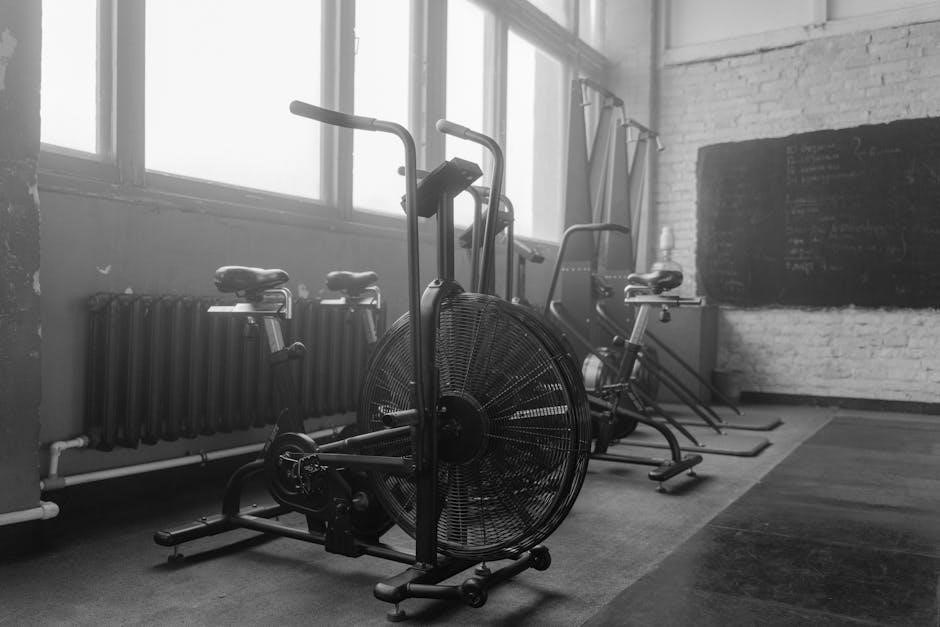
Schwinn IC3 Manual: A Comprehensive Guide
This guide offers detailed instructions, safety precautions, and troubleshooting for your Schwinn IC3. Downloadable PDF versions of the manual are readily available online;
Schwinn provides various manuals – assembly, owner’s, service, and troubleshooting – to ensure optimal bike performance and user safety.
The Schwinn IC3 is a popular indoor cycling bike designed to bring a studio-quality workout experience into your home. It’s recognized for its durability, smooth ride, and compatibility with popular cycling apps like Peloton, JRNY, and Zwift, enhancing your fitness journey. This bike is a product of Schwinn, a brand synonymous with quality and innovation in the fitness industry, and is closely related to the Bowflex C6, as both companies share ownership.
Understanding the Schwinn IC3 requires access to its comprehensive manual, which provides essential safety instructions, detailed assembly guidance, and troubleshooting tips. The manual, available as a PDF download from the Schwinn website, is crucial for proper setup, operation, and maintenance. It ensures users can safely and effectively utilize all the bike’s features, maximizing their workout benefits and extending the lifespan of their equipment. Regularly consulting the manual is highly recommended.
Understanding the IC3 Components
The Schwinn IC3 comprises several key components, each detailed within the owner’s manual. These include the robust steel frame providing stability, magnetic resistance system for quiet and consistent workouts, and a flywheel designed for a realistic cycling feel. The adjustable seat and handlebars cater to various rider sizes and preferences, ensuring ergonomic positioning.
The console, a central hub, displays workout metrics like time, speed, distance, and calories burned. Foot pedals equipped with straps secure your feet, optimizing power transfer. Regular maintenance, as outlined in the service manual, focuses on lubricating key areas and checking chain tension. Understanding these components, and their proper function, is vital for safe and effective use. The manual provides diagrams and explanations to help users identify and maintain each part, maximizing the bike’s performance and longevity.

Assembly Instructions
Carefully unpack all components and compare them to the parts list in the manual. Follow the step-by-step instructions for a secure and proper setup.
Unboxing and Initial Inspection
Begin by carefully opening the Schwinn IC3 packaging, taking care not to damage the components inside. Once opened, thoroughly inspect all parts against the included parts list found within the assembly manual. Verify that every item is present and undamaged – this includes the frame, base, stabilizers, seat, handlebars, console, pedals, and all necessary hardware like bolts, washers, and screws.

Pay close attention to the frame for any scratches or dents sustained during shipping. Check the console for any visible cracks or screen issues. Ensure the pedals are included and appear intact. If any parts are missing or damaged, do not proceed with assembly. Immediately contact Schwinn customer support or the retailer where you purchased the bike to request replacements. Document any damage with photographs for warranty claims. A complete initial inspection prevents issues later during operation.
Attaching the Base and Stabilizers
Begin by positioning the main frame onto the base. Align the mounting holes carefully, ensuring a secure fit. Using the provided hardware – typically bolts and washers – attach the frame to the base, tightening them partially at first. Do not fully tighten until all bolts are in place.
Next, attach the stabilizers to the base, again aligning the holes and using the designated hardware. These stabilizers are crucial for bike stability during intense workouts. Tighten the stabilizer bolts partially, mirroring the process used for the base. Once all base and stabilizer connections are made, systematically and firmly tighten all bolts. Double-check that all connections are secure before proceeding to the next assembly step. A properly secured base and stabilizers are vital for a safe and stable riding experience.
Installing the Seat and Handlebars
Begin with the seat post. Insert it into the designated seat tube, ensuring it slides in smoothly. Adjust the seat to a preliminary height – fine-tuning will come later; Secure the seat post with the clamp mechanism, tightening it firmly but not excessively.
Now, attach the handlebars to the main frame’s handlebar post. Align the handlebar clamp with the post and secure it using the provided bolts. Similar to the seat, adjust the handlebars to a comfortable initial position. Tighten the bolts firmly, ensuring the handlebars are stable and won’t shift during use. Remember to periodically check these connections for tightness. Proper installation of both the seat and handlebars is essential for comfort, control, and a safe workout experience.
Connecting the Console and Pedals
First, carefully connect the console cable to the designated port on the bike’s frame. Ensure the connection is secure to guarantee accurate data tracking during your workouts. Next, attach the pedals to the crank arms. Note that the pedals are typically marked ‘L’ (left) and ‘R’ (right); install them on the corresponding sides.
Tighten the pedals firmly by hand, rotating them clockwise. Once attached, verify they spin freely without obstruction. If using a power adapter for the console, connect it to a suitable power outlet. The console should power on, displaying relevant workout metrics. Proper connection of both the console and pedals is crucial for a fully functional and enjoyable exercise experience. Double-check all connections before commencing your ride.

Operating the Schwinn IC3
Power on the console, adjust the seat and handlebars for comfort, and utilize the resistance controls to personalize your workout intensity.
Enjoy a smooth and effective cycling experience!
Powering On and Console Overview
To power on your Schwinn IC3, ensure the power cord is securely connected to both the bike and a functioning electrical outlet. The console will illuminate, initiating the system check. The console displays essential workout metrics, including speed, distance, time, calories burned, and resistance level.
Navigating the console is straightforward. Utilize the buttons to cycle through the displayed data or adjust the resistance. Some models feature preset workout programs, accessible through the console’s menu. Familiarize yourself with the button layout for seamless operation during your fitness sessions. The console also often includes a device holder for your smartphone or tablet, allowing you to stream entertainment or utilize fitness apps.
Remember to consult the official Schwinn IC3 manual for specific console functionalities and troubleshooting tips related to the display or button responsiveness.
Adjusting Seat Height and Fore/Aft Position
Proper seat adjustment is crucial for comfort and efficient pedaling. To adjust the height, locate the seat post adjustment lever. Lift the lever, allowing you to raise or lower the seat to the desired level. Ensure the lever is securely locked after adjustment. A slight bend in your knee at the bottom of the pedal stroke indicates correct height.
Fore/aft adjustment, or horizontal positioning, impacts your leg extension and muscle engagement. Loosen the seat slider mechanism, typically located underneath the seat. Slide the seat forward or backward to achieve optimal positioning. Re-tighten the mechanism securely.
Experiment with both height and fore/aft adjustments to find the most comfortable and biomechanically sound setup for your body. Refer to the Schwinn IC3 manual for detailed diagrams and safety guidelines regarding seat adjustments.
Adjusting Handlebar Height and Fore/Aft Position
Handlebar adjustments significantly impact your riding posture and comfort. To modify the height, locate the handlebar post adjustment knob. Loosen the knob, allowing you to raise or lower the handlebars to your preferred level. Securely tighten the knob once the desired height is achieved. Consider your flexibility and riding style when setting the height.
Fore/aft adjustment alters your reach and body position. Loosen the handlebar slider mechanism, usually found where the handlebars connect to the frame. Slide the handlebars forward or backward to find a comfortable and efficient reach. Re-tighten the mechanism firmly.
Experiment with both height and fore/aft settings to optimize your riding experience. Consult the Schwinn IC3 manual for detailed illustrations and safety recommendations regarding handlebar adjustments, ensuring a secure and comfortable workout.
Resistance Adjustment Methods

The Schwinn IC3 utilizes a friction-based resistance system, controlled by a conveniently located resistance knob beneath the handlebars. Rotating the knob clockwise increases resistance, simulating uphill climbs or higher intensity workouts. Counter-clockwise rotation decreases resistance for easier pedaling and recovery periods.
The resistance levels are not numerically marked, allowing for micro-adjustments to find your ideal challenge. Experiment with different settings to discover the levels that best suit your fitness goals and preferred riding style. A firmer press on the knob provides more precise control.
Refer to the Schwinn IC3 manual for guidance on correlating resistance levels with perceived exertion. Regularly check the resistance knob’s tightness to ensure consistent and reliable performance during your exercise sessions. Proper adjustment enhances workout effectiveness.

Maintenance and Troubleshooting
Regular maintenance, including lubrication and tension checks, is crucial for optimal performance. Consult the manual for error codes and solutions to common issues.
Regular Lubrication Points
Maintaining your Schwinn IC3 involves consistent lubrication to ensure smooth operation and longevity. Key areas requiring attention include the crank arms, where a silicone-based lubricant should be applied to prevent corrosion and friction. The pedal axles also benefit from periodic lubrication, enhancing pedal smoothness and reducing wear.
Furthermore, the chain requires regular lubrication to minimize friction and prevent rust, extending its lifespan. Apply a chain lubricant specifically designed for bicycles, wiping off any excess to avoid attracting dirt. Don’t forget the connecting rods and pivot points; these areas experience significant stress and benefit from lubrication.
Refer to the official Schwinn IC3 manual for specific lubricant recommendations and detailed diagrams illustrating these lubrication points. Regularly lubricating these components will contribute to a quieter, more efficient, and longer-lasting riding experience, preventing premature wear and tear on your indoor cycling bike.
Pedal and Crank Maintenance
Proper pedal and crank maintenance is crucial for a safe and efficient Schwinn IC3 workout. Regularly inspect the pedals for any looseness, tightening them as needed with the appropriate wrench. Check the pedal straps for wear and tear, replacing them if frayed or damaged to prevent slippage during exercise.
The crank arms should be inspected for cracks or bending. If any damage is detected, discontinue use and consult a qualified technician. Ensure the crank bolts are securely tightened, as loose bolts can lead to instability and potential injury. Periodically clean the crank arms and pedals with a damp cloth to remove sweat and debris.
Refer to the Schwinn IC3 manual for torque specifications and detailed instructions. Consistent attention to these components will ensure smooth pedaling, prevent premature wear, and maintain the overall integrity of your indoor cycling bike.
Chain Tension Adjustment
Maintaining correct chain tension is vital for smooth operation and longevity of your Schwinn IC3. A chain that is too loose can slip, causing inefficient pedaling and potential damage, while a chain that is too tight can strain the drivetrain. Regularly inspect the chain for proper tension – it should have a slight amount of slack, approximately ½ inch of vertical movement midway between the crank and rear sprocket.
The Schwinn IC3 typically features an adjustment mechanism near the rear axle. Loosen the axle bolts slightly, then use the adjustment screws to increase or decrease tension; After adjusting, ensure the rear wheel is properly aligned and retighten the axle bolts to the manufacturer’s specified torque.
Consult your Schwinn IC3 manual for specific instructions and torque values. Proper chain tension minimizes wear, optimizes performance, and ensures a quiet, enjoyable ride.
Console Error Codes and Solutions
The Schwinn IC3 console may display error codes indicating a system malfunction. These codes help diagnose issues, allowing for efficient troubleshooting. Common errors can relate to the power supply, sensors, or communication between components. Refer to your owner’s manual for a comprehensive list of error codes and their corresponding solutions.
For example, a “Sensor Error” might require checking the connection of the cadence sensor. A “Communication Error” could necessitate a console reset or checking the wiring harness. Simple solutions often include power cycling the console – turning it off and on again. If an error persists, note the code and contact Schwinn customer support.
Always prioritize safety; do not attempt repairs beyond your skill level. Consulting the troubleshooting section of the manual or seeking professional assistance is recommended for complex issues.

Schwinn IC3 Manual Resources
Access official Schwinn IC3 manuals in PDF format online, alongside FAQs and support; Service manuals are also available for detailed maintenance information.
Downloading the Official PDF Manual
Obtaining the official Schwinn IC3 PDF manual is a straightforward process, ensuring you have the most accurate and up-to-date information at your fingertips; Schwinn’s website serves as the primary hub for accessing these resources. Simply navigate to the Schwinn support section and search for “IC3 manual” or utilize the bike’s model number for a precise match.
Several websites archive these manuals, but always prioritize downloading directly from Schwinn to guarantee authenticity and avoid potentially outdated or incomplete versions. The PDF document encompasses comprehensive details, including assembly instructions, operational guidelines, maintenance schedules, and crucial safety precautions.
Adobe Reader or a compatible PDF viewer is required to open and print the document effectively. Downloading the manual allows for offline access, making it convenient to reference during assembly or maintenance without requiring an internet connection. Keep a digital copy readily available on your computer or mobile device for easy access whenever needed.
Accessing Online Support and FAQs
Schwinn offers a robust online support system designed to assist users with any questions or issues regarding the IC3. Their official website features a dedicated support section with a comprehensive Frequently Asked Questions (FAQ) database. This FAQ covers common topics like assembly, console operation, resistance adjustments, and basic troubleshooting steps.
Beyond the FAQ, Schwinn provides access to online resources, including video tutorials and helpful articles addressing specific concerns. Users can often find solutions to their problems quickly by browsing these readily available materials.
For more personalized assistance, Schwinn typically offers customer support via email or phone. Contact information is readily available on their website. When reaching out, having your bike’s model number and a detailed description of the issue will expedite the support process. Utilizing these online resources can often resolve issues without needing to consult the full manual.
Service Manual Availability
Schwinn IC3 service manuals, containing in-depth technical information, are available for download, though access may vary. These manuals are primarily intended for qualified technicians performing repairs and maintenance beyond standard user procedures. They detail component disassembly, diagnostics, and repair protocols.
Several websites host these service manuals as PDF files, offering free access to detailed schematics and troubleshooting guides. However, it’s crucial to verify the source’s reliability to ensure the manual’s accuracy and completeness.
The service manual complements the owner’s manual by providing a deeper understanding of the bike’s internal workings. It’s an invaluable resource for professional technicians, but users attempting self-repair should exercise caution and possess the necessary skills. Finding a legitimate Schwinn-authorized service center is often the safest option for complex repairs.
Troubleshooting Manual Details
Schwinn IC3 troubleshooting manuals are designed to assist users in diagnosing and resolving common issues with their exercise bike. These manuals typically present problems in a question-and-answer format, guiding users through a series of checks and potential solutions.
Commonly addressed issues include console errors, resistance problems, pedal slippage, and unusual noises. The manuals often include diagrams and illustrations to aid in identifying components and understanding repair procedures.
PDF versions of these manuals are readily available online, offering a convenient way to access troubleshooting information. However, it’s important to note that some repairs may require professional assistance. Always prioritize safety and consult a qualified technician for complex issues or if you are uncomfortable performing repairs yourself.

Safety Precautions
Always adhere to the Schwinn IC3’s weight capacity and user limits. Follow proper usage guidelines and familiarize yourself with emergency stop procedures for safe operation.
Weight Capacity and User Limits
The Schwinn IC3 is engineered for a diverse range of users, but respecting its limitations is crucial for both safety and longevity of the equipment. The maximum weight capacity for the IC3 is 350 pounds (approximately 159 kilograms). Exceeding this limit can compromise the structural integrity of the bike, potentially leading to damage or injury.
Furthermore, it’s important to consider the intended use. This indoor cycling bike is designed for single-user operation only. Attempting to accommodate more than one person simultaneously is strictly prohibited and poses a significant safety risk. Users should also be aware of their own physical limitations and consult with a healthcare professional before starting any new exercise program, especially if they have pre-existing medical conditions.
Regularly inspect the bike for any signs of wear and tear, and discontinue use if any damage is detected. Proper adherence to these guidelines will ensure a safe and effective workout experience with your Schwinn IC3.
Proper Usage Guidelines
To maximize the benefits and ensure your safety while using the Schwinn IC3, adhere to these essential guidelines. Always begin with a warm-up period of 5-10 minutes of light cardio and stretching before engaging in intense cycling. Maintain a controlled and stable posture throughout your workout, keeping your back straight and core engaged.
Proper pedal technique is vital; avoid bouncing or rocking on the pedals, and utilize the full range of motion for optimal efficiency. Adjust the resistance levels gradually, increasing intensity as your fitness improves. Stay hydrated by drinking water before, during, and after your exercise session.
Wear appropriate athletic attire and closed-toe shoes. Familiarize yourself with the emergency stop procedure before starting. Regularly inspect all components for wear and tear. Following these guidelines will contribute to a safe, effective, and enjoyable indoor cycling experience with your Schwinn IC3.
Emergency Stop Procedures
In the event of an emergency or if you experience discomfort during your workout on the Schwinn IC3, knowing the proper stopping procedures is crucial. The primary method for immediate stopping is the resistance knob. Quickly and firmly press down on the resistance knob; this engages the brake system, bringing the flywheel to a rapid and controlled halt.
Alternatively, you can apply significant resistance to the pedals by attempting to slow them down forcefully. This will also activate the braking mechanism. Be prepared for a sudden stop and maintain a firm grip on the handlebars to prevent losing balance.

If you feel dizzy, faint, or experience any pain, stop immediately using either method. Familiarize yourself with the location of the resistance knob before each workout to ensure a swift response in an emergency situation. Prioritize your safety at all times.